

Table of Contents
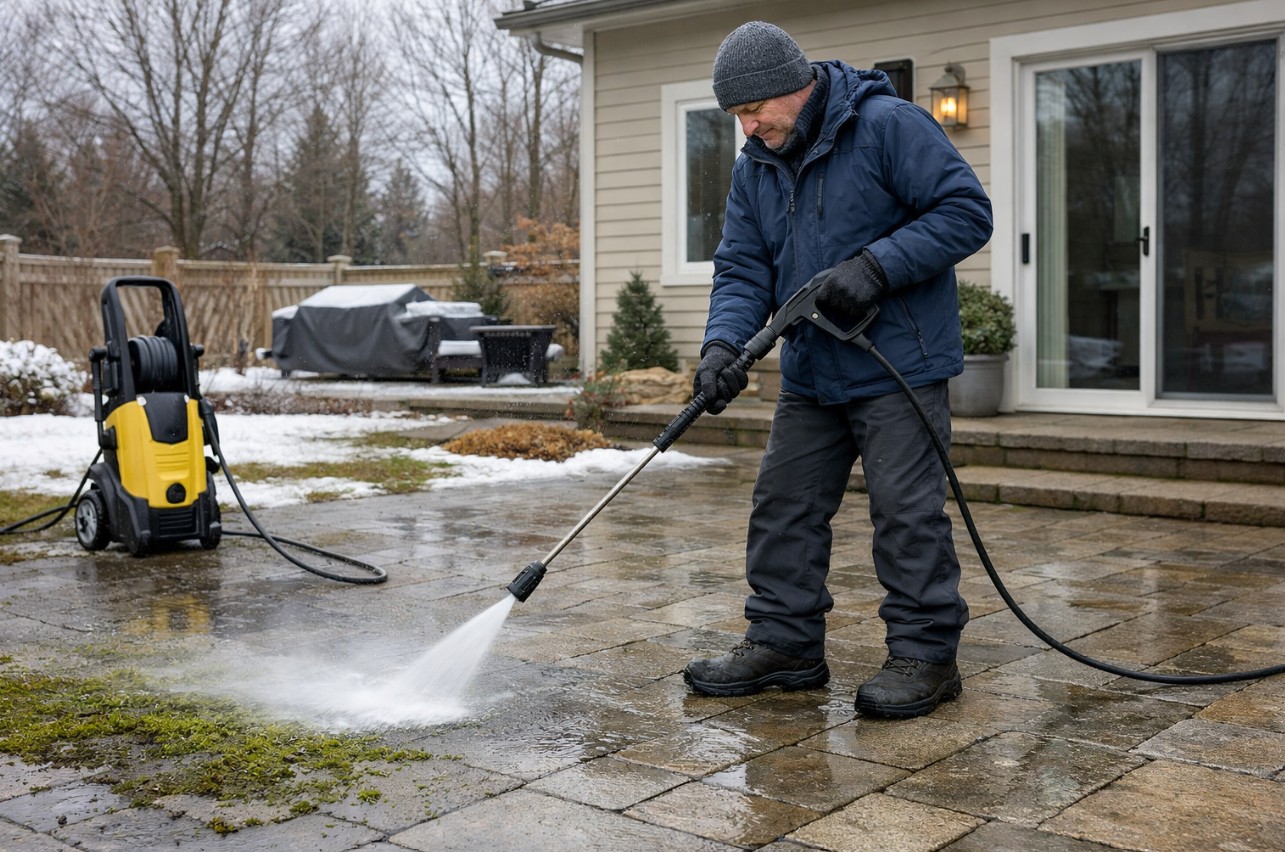
When winter sets in, many people assume outdoor cleaning should be paused until warmer weather returns. However, pressure washers can still be a very useful part of home and garden care during the colder months, as long as they’re used thoughtfully.
From keeping driveways safe to freshening up patios and paths, winter pressure washing can make your home look cared for while preventing issues that often build up over time.
The secret lies in adapting how and when you clean. Winter brings different challenges, but with the right preparation and a sensible approach, pressure washing can remain safe, effective and surprisingly satisfying.
How to Use Pressure Washers Safely and Effectively?
Preparing Your Home and Equipment for Winter Cleaning
Good preparation is the foundation of safe winter use of pressure washers. Cold temperatures affect both surfaces and equipment, so taking a little extra time before you start can prevent damage and frustration.
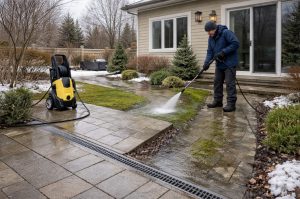
Begin by choosing the right day. Avoid pressure washing when temperatures are at or below freezing, or when frost is expected soon after. Water left on surfaces can quickly turn to ice, creating slippery conditions. Instead, aim for milder winter days when temperatures are comfortably above freezing and there’s enough daylight for surfaces to dry naturally.
Next, check your pressure washer carefully. Cold weather can make hoses stiffer and seals more vulnerable, so inspect everything for cracks, leaks or loose connections. If your pressure washer has been stored in a shed or garage, allow it to warm up slightly before use. Never try to force frozen hoses or fittings, as this can cause lasting damage.
It’s also wise to adjust your expectations and settings. Winter cleaning is about maintenance rather than perfection.
Using lower pressure settings is often safer for surfaces such as paving, decking and brickwork, which can be more brittle in cold conditions. Where possible, rely on suitable cleaning solutions rather than high pressure alone, allowing grime and algae to loosen gently.
Finally, think about what areas really need attention. Focus on high-use spaces such as driveways, garden paths, steps and patios. These areas benefit most from winter cleaning, as removing moss, mud and algae helps keep them safer and more pleasant to use during wet weather.
Safe and Sensible Pressure Washing During Cold Weather
Once you’re ready to begin, safety should be your top priority. Winter pressure washing requires a slower, more controlled approach than summer cleaning.
Start by working in small sections. Cleaning one area at a time allows you to monitor how quickly surfaces dry and reduces the risk of ice forming. If you notice water pooling, stop and redirect runoff away from walkways and entrances. Simple steps like adjusting your spray direction can make a big difference.
Footwear matters more than you might think. Always wear shoes or boots with good grip, as wet winter surfaces can be unpredictable. Waterproof gloves are also a good idea, helping keep hands warm and maintaining control of the pressure washer. Cold fingers can reduce grip strength, so take breaks if needed.
Be mindful of where the water goes. In winter, drains can already be under strain from heavy rain and fallen leaves. Make sure water flows freely and doesn’t collect near doorways or slopes. Clearing leaves from drains before you start can help prevent unwanted pooling.
It’s also important to protect delicate areas of your home. Avoid spraying directly at door seals, window frames or vents, as cold weather can make these more susceptible to damage. A gentle approach not only protects your home but also extends the life of your pressure washer.
Long-Term Benefits for Your Home and Outdoor Spaces
Using a pressure washer during winter isn’t just about immediate appearance; it’s also about caring for your home in the long term. Regular maintenance helps prevent problems that often become more expensive and time-consuming to fix later.
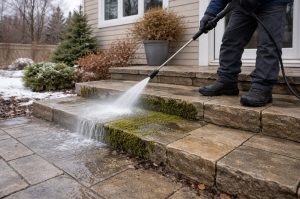
One of the biggest benefits is safety. Slippery algae and moss thrive in damp, shaded conditions, especially during winter. Removing them from paths, steps and driveways reduces the risk of slips and falls for family members and visitors alike. This simple step can make everyday comings and goings much safer.
Winter maintenance makes spring much easier. When warmer weather arrives, you won’t be faced with months of built-up grime.
Instead, you’ll be starting from a cleaner baseline, allowing you to focus on garden projects, furniture and planting rather than heavy cleaning. In many cases, a little winter effort reduces the need for intensive spring pressure washing altogether.
Keeping your outdoor spaces in great condition is just one part of looking after a home. Before moving into a new house, it’s worth taking time to carry out a few key checks to ensure everything is in good order, from the exterior to the interior.
Pressure washers don’t need to be packed away as soon as winter arrives. With careful planning, sensible safety measures and realistic expectations, they can remain a valuable tool for home and outdoor care throughout the colder months.
By choosing the right conditions, working gently and focusing on key areas, you can keep your home safer, cleaner and ready for whatever the season brings.