

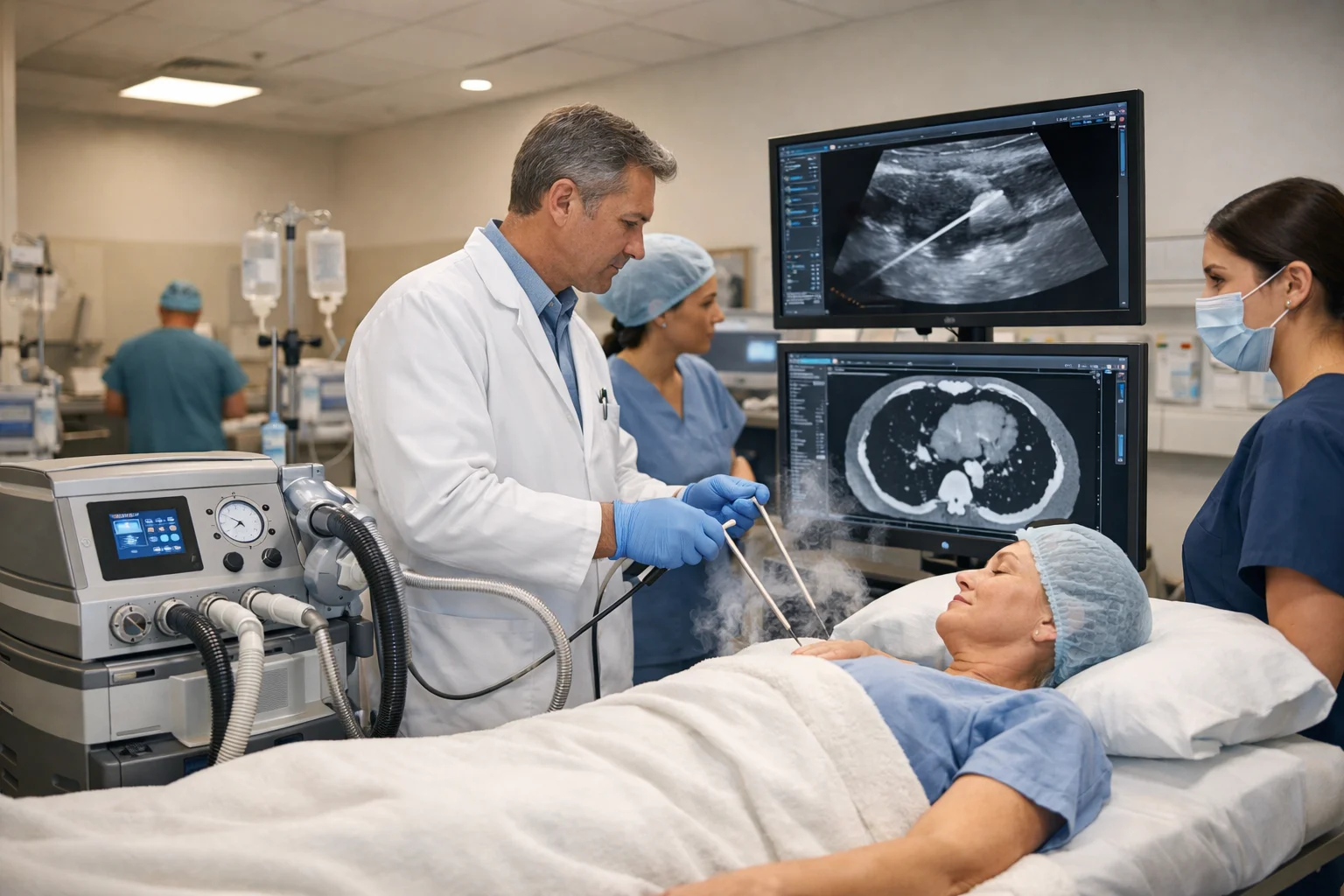
Table of Contents
Cancer treatment has advanced rapidly over the past few decades, with medical science focusing on therapies that are not only effective but also less invasive.
Among these innovative approaches, cryotherapy has emerged as a valuable treatment option for certain types of cancer and precancerous conditions.
By using extremely cold temperatures to destroy abnormal cells, cryotherapy offers a targeted solution with reduced damage to surrounding healthy tissue.
Today, Cryotherapy is widely used in oncology for treating localized tumors, particularly in early-stage or well-defined cancers.
This method allows doctors to precisely target cancerous cells while minimizing recovery time and complications compared to traditional surgery.
As hospitals and cancer centers adopt advanced imaging and freezing technologies, cryotherapy continues to gain recognition as a reliable and patient-friendly option.
What Is Cryotherapy?
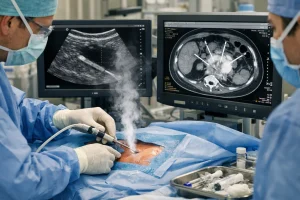
Cryotherapy, also known as cryoablation or cryosurgery, is a medical procedure that uses extreme cold to destroy diseased tissue.
In cancer treatment, doctors apply freezing agents most commonly liquid nitrogen or argon gas to cancer cells. The rapid freezing and thawing process damages the cells’ structure, leading to cell death.
This technique is typically guided by imaging tools such as ultrasound, CT scans, or MRI, which help physicians place the freezing probe accurately.
Because of this precision, cryotherapy is often used for tumors that are small, localized, or difficult to remove surgically.
How Cryotherapy Works in Cancer Treatment?
The science behind cryotherapy is based on temperature-induced cellular destruction. When cancer cells are exposed to extreme cold:
- Ice crystals form inside and outside the cells
- Blood flow to the tumor is disrupted
- Cell membranes rupture during freezing and thawing cycles
These effects lead to irreversible damage, causing the tumor cells to die naturally over time. The body then absorbs or removes the destroyed tissue.
Cryotherapy can be performed as a minimally invasive procedure, often requiring only small incisions or needle-like probes. In many cases, it is done under local or general anesthesia, depending on the tumor location.
Types of Cancer Treated With Cryotherapy
Cryotherapy is not suitable for all cancers, but it is highly effective in specific cases, including:
- Prostate cancer (early-stage or recurrent cases)
- Skin cancer, such as basal cell carcinoma
- Cervical precancerous lesions
- Liver tumors, especially small or inoperable ones
- Kidney tumors in selected patients
- Lung tumors in patients who are not surgical candidates
Doctors carefully evaluate tumor size, location, and overall patient health before recommending cryotherapy.
Benefits of Cryotherapy
One of the main reasons cryotherapy is gaining popularity is its range of advantages compared to traditional treatments:
Minimally Invasive
Cryotherapy often requires only a small incision or probe insertion, reducing surgical trauma.
Faster Recovery
Most patients experience shorter hospital stays and quicker recovery times.
Precision Targeting
Advanced imaging ensures accurate destruction of cancer cells while preserving healthy tissue.
Reduced Pain and Scarring
Compared to open surgery, cryotherapy generally causes less pain and minimal scarring.
Repeatable Treatment
In some cases, cryotherapy can be safely repeated if cancer returns.
Possible Risks and Side Effects
Like all medical procedures, cryotherapy has potential risks, though serious complications are uncommon. Possible side effects include:
- Temporary pain or swelling at the treatment site
- Nerve damage (depending on tumor location)
- Bleeding or infection
- Damage to nearby organs in rare cases
Most side effects are manageable and short-term. Doctors closely monitor patients during and after the procedure to ensure safety.
Cryotherapy vs. Other Cancer Treatments
Cryotherapy is often compared with treatments such as surgery, radiation therapy, and chemotherapy. Each option has its own role in cancer care:
- Surgery removes tumors physically but may involve longer recovery
- Radiation therapy targets cancer cells with high-energy beams but can affect surrounding tissue
- Chemotherapy treats cancer systemically but often causes widespread side effects
Cryotherapy stands out as a localized treatment, making it ideal for patients who cannot tolerate major surgery or aggressive therapies.
Who Is a Good Candidate for Cryotherapy?

Not every cancer patient is eligible for cryotherapy. Ideal candidates typically include:
- Patients with small, localized tumors
- Individuals who are not fit for surgery due to age or medical conditions
- Patients with recurrent cancer after radiation therapy
- Those seeking a less invasive treatment option
A multidisciplinary cancer team usually evaluates each case to determine the best treatment plan.
Advances in Cryotherapy Technology
Recent technological advancements have significantly improved cryotherapy outcomes. Modern cryoprobes allow precise temperature control, while real-time imaging ensures accurate probe placement. These innovations reduce complications and improve success rates.
Additionally, ongoing research is exploring how cryotherapy can stimulate the immune system to recognize and attack remaining cancer cells, potentially enhancing long-term cancer control.
The Future of Cryotherapy in Oncology
As cancer treatment becomes more personalized, cryotherapy is expected to play an increasingly important role.
Its ability to combine effectiveness with minimal invasiveness makes it appealing for both doctors and patients.
With continued research and technological refinement, cryotherapy may expand to treat a wider range of cancers in the future.
Final Thoughts
Cryotherapy represents a powerful, modern approach to cancer treatment that prioritizes precision, safety, and patient comfort. While it is not a universal solution for all cancers, it offers an effective alternative for carefully selected cases.
Consulting with experienced oncology specialists is essential to determine whether cryotherapy is the right option for an individual patient.
Frequently Asked Questions (FAQs)
What is cryotherapy in cancer treatment?
Cryotherapy is a medical procedure that uses extreme cold to destroy cancerous or abnormal tissue. In cancer care, doctors apply freezing temperatures directly to tumors, causing cancer cells to die while minimizing damage to nearby healthy tissue.
Is cryotherapy safe for cancer patients?
Yes, cryotherapy is generally considered safe when performed by experienced specialists. It is a minimally invasive treatment with fewer risks compared to major surgery. Most side effects are mild and temporary, such as swelling or discomfort at the treatment site.
Which cancers can be treated with cryotherapy?
Cryotherapy is commonly used for prostate cancer, skin cancer, cervical precancerous lesions, liver tumors, kidney tumors, and certain lung tumors. Suitability depends on tumor size, location, and the patient’s overall health.
Does cryotherapy completely remove cancer?
In many early-stage or localized cases, cryotherapy can successfully destroy the entire tumor. However, cancer outcomes vary by type and stage. Some patients may need additional treatments or follow-up procedures.
Is cryotherapy painful?
Cryotherapy is usually performed under local or general anesthesia, so patients do not feel pain during the procedure. Mild pain or soreness may occur afterward, but it is typically manageable with medication.
How long does recovery take after cryotherapy?
Recovery time is generally short. Many patients return to normal activities within a few days, depending on the treated area and individual healing response.
Are there side effects of cryotherapy?
Possible side effects include temporary swelling, bruising, numbness, or mild pain. Serious complications are rare but may include nerve damage or infection, depending on the treatment area.
Can cryotherapy be repeated if cancer comes back?
Yes, one advantage of cryotherapy is that it can often be repeated if cancer recurs in the same area. This makes it a useful option for recurrent or resistant tumors.
How does cryotherapy compare to chemotherapy or radiation?
Cryotherapy is a localized treatment, meaning it targets only the tumor area. Chemotherapy and radiation therapy affect a broader area or the entire body. Cryotherapy often has fewer systemic side effects.
Who should consider cryotherapy as a treatment option?
Cryotherapy may be suitable for patients with small, localized tumors or those who cannot undergo surgery due to medical conditions. A cancer specialist can determine if cryotherapy is the right choice.