

Table of Contents
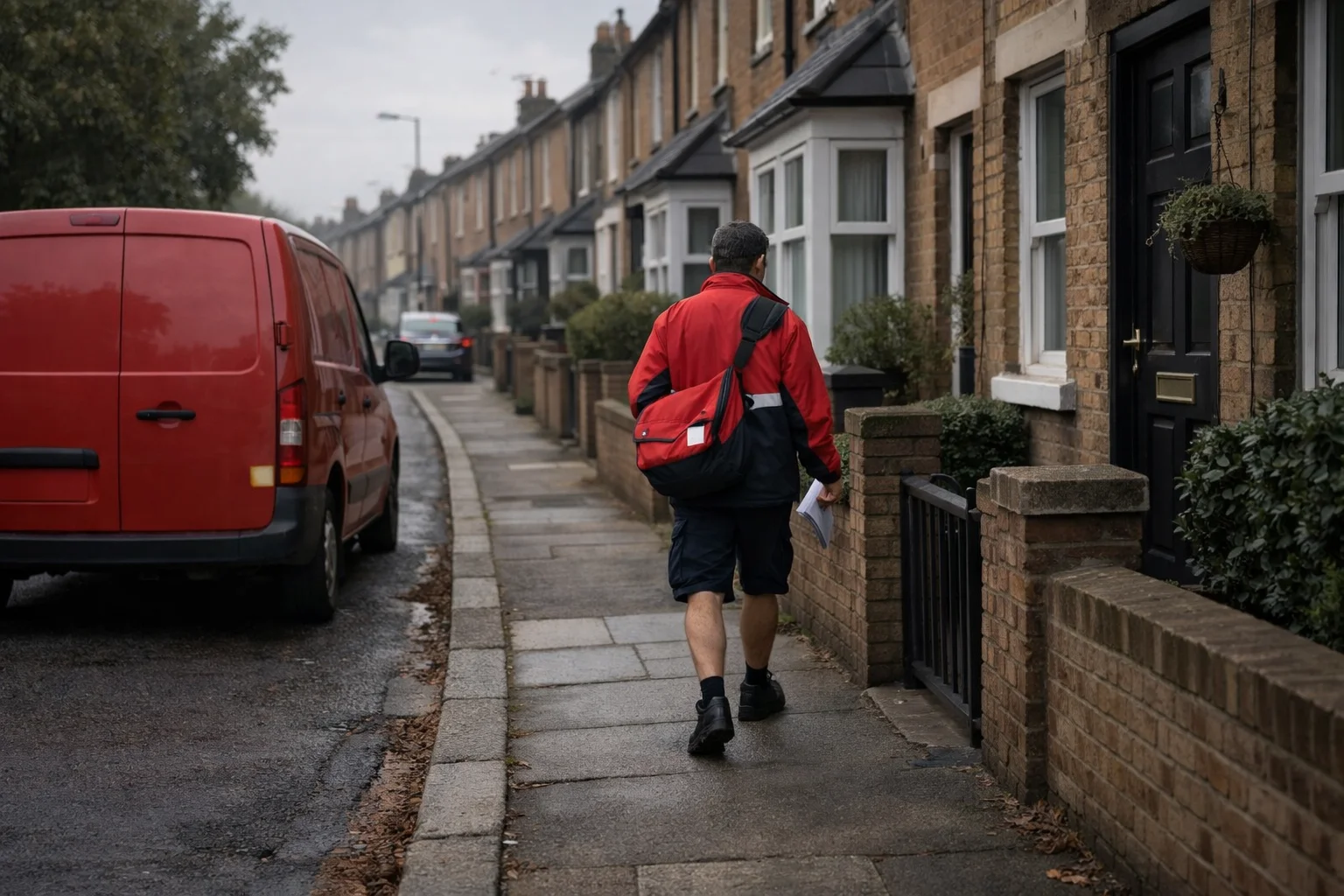
Second class letter deliveries on Saturdays will end across the UK by December as part of the latest Royal Mail second class changes.
The reform introduces a reduced delivery schedule for second class post, shifting to alternate weekdays while maintaining the existing three working day delivery target.
These changes follow an agreement with the Communications Workers Union and approval from Ofcom, aiming to improve efficiency and ensure the long term sustainability of the postal service.
Key takeaways:
- Saturday second class deliveries will be completely removed
- New delivery model will operate on alternate weekdays
- Nationwide rollout will be completed by December
- First class deliveries remain unchanged from Monday to Saturday
- Agreement includes pay rises and contract improvements for workers
- Changes are part of wider Universal Service Obligation reforms
- Businesses and households will need to adjust mailing expectations
What Are the Latest Royal Mail Second Class Changes in the UK?
The Royal Mail second class changes represent a major shift in how postal services are structured across the UK.
The most significant update is the removal of Saturday deliveries for second class letters, which is expected to be fully implemented by December.
This change follows a formal agreement between Royal Mail and the Communications Workers Union, allowing the organisation to proceed with its long-delayed reform plans.
The rollout will take place across the entire UK network, covering around 1,200 delivery offices.
Before reaching this stage, the changes were trialled in a smaller number of locations to assess operational feasibility and service impact.
The expansion to hundreds of additional delivery offices marks a transition from pilot testing to full-scale implementation.
The reform is not limited to delivery days. It also includes structural adjustments in workforce agreements, delivery scheduling, and operational efficiency measures.
These changes are closely tied to the broader Universal Service reform strategy, which aims to modernise the postal system in response to declining letter volumes and increasing parcel demand.
Some of the most important elements of the update include:
- Removal of second class Saturday deliveries across the UK
- Expansion of trial programmes into nationwide implementation
- Integration of new workforce agreements with CWU
- Continued focus on maintaining delivery targets within revised schedules
The intention behind these changes is to create a system that reflects current usage patterns while maintaining accessibility and reliability for customers.
Why Is Royal Mail Ending Second Class Saturday Deliveries?
The decision to end Saturday deliveries for second class post is rooted in long-term structural challenges faced by Royal Mail.
Over the past decade, there has been a steady decline in letter volumes as digital communication has replaced traditional mail for many everyday uses.
At the same time, parcel deliveries have increased significantly due to the growth of eCommerce.
This imbalance has created pressure on Royal Mail’s operational model. Maintaining a six day delivery schedule for letters that are sent less frequently is no longer considered efficient or financially sustainable.
A postal strategy analyst explained the situation clearly: “The network was designed for a time when letter volumes were significantly higher. Today, maintaining that same level of service for a shrinking segment creates inefficiencies that are difficult to justify.”
Royal Mail has identified several key reasons for implementing these changes:
- Reduction in operational costs associated with weekend deliveries
- Better alignment of delivery services with current demand
- Opportunity to reallocate resources toward growing parcel services
- Long term sustainability of the universal postal network
Another factor influencing this decision is regulatory flexibility. With approval from Ofcom, Royal Mail has been able to adjust certain elements of its service while still meeting core obligations.
The changes are not simply about cutting services but about reshaping the delivery model to ensure it remains viable in the long term.
How Will the New Royal Mail Delivery Schedule Work?

The revised delivery schedule introduces a more streamlined approach to second class mail distribution. Instead of delivering six days a week, Royal Mail will adopt a reduced frequency model that focuses on weekday deliveries.
Under this structure, second class letters will be delivered on alternate weekdays rather than every day. This change reduces the number of delivery rounds required while still maintaining coverage across the week.
What Happens to First Class Deliveries?
First class deliveries remain a priority service and will not be affected by these changes. They will continue to operate from Monday to Saturday, ensuring that urgent and time-sensitive mail is delivered promptly.
This distinction between first and second class services reinforces the tiered structure of Royal Mail offerings. Customers who require faster or more reliable delivery can still access a six day service through first class options.
What Are the New Second Class Delivery Timelines?
Although delivery frequency will decrease, Royal Mail has committed to maintaining its existing delivery targets. Second class letters are still expected to arrive within three working days.
The revised schedule focuses on efficiency rather than speed. By reducing the number of delivery days, Royal Mail aims to optimise routes and improve overall service consistency.
The comparison below highlights the differences between the current and new delivery models:
| Feature | Current System | New System |
| Delivery Days | Monday to Saturday | Alternate weekdays |
| Saturday Delivery | Available | Not available |
| Delivery Target | Within 3 working days | Within 3 working days |
| Service Focus | Frequency | Efficiency |
This approach allows Royal Mail to maintain service standards while reducing operational strain.
When Will the Royal Mail Second Class Changes Be Fully Implemented?
The implementation of these changes follows a phased rollout strategy. This approach enables Royal Mail to test the system at different scales before completing nationwide adoption.
Initially, the new delivery model was introduced in a limited number of delivery offices. This pilot phase provided valuable insights into how the changes would affect both operations and customer experience.
Following the success of the initial trials, the rollout has expanded significantly. The next stage involves extending the changes to approximately 240 delivery offices, representing a substantial increase in coverage.
The final phase will see the system implemented across the entire network of around 1,200 delivery offices. This full rollout is expected to be completed by December.
The timeline of implementation can be summarised as follows:
| Phase | Coverage | Purpose |
| Pilot Phase | 35 offices | Initial testing |
| Expansion Phase | 240 offices | Broader evaluation |
| Full Rollout | 1,200 offices | Nationwide implementation |
This gradual approach reduces risk and allows for adjustments based on real world performance.
What Agreement Was Reached Between Royal Mail and the CWU?

The agreement between Royal Mail and the CWU plays a central role in enabling these changes. Without union support, the implementation of such a large scale reform would have faced significant obstacles.
The agreement resolves a prolonged dispute over working conditions, pay, and the future direction of the postal service. It also ensures that employees are supported throughout the transition.
What Pay and Contract Changes Are Included?
The deal includes a range of improvements designed to address concerns raised by workers. These changes aim to balance operational efficiency with fair employment practices.
Key elements of the agreement include:
- Pay increases for both new and existing employees
- Standardised working hours for new starters
- Opportunities for part time workers to increase their hours
The table below outlines the main workforce changes:
| Category | Change Introduced |
| New Employees | 4.75 percent pay increase |
| Legacy Contracts | 3 percent pay increase |
| Working Hours | 37 hour standard week |
| Part Time Staff | Option to increase hours |
A labour relations specialist commented on the agreement: “This deal reflects a compromise where operational flexibility is balanced with worker protections. It provides a foundation for implementing change without significant disruption.”
CWU members are currently being consulted on the agreement, which is a standard process before final approval.
How Will These Royal Mail Changes Affect UK Households and Businesses?
The impact of Royal Mail second class changes will vary depending on how individuals and organisations use postal services. For many households, the effects may be relatively minor, particularly for non urgent mail.
However, for businesses that rely on regular communication through post, the changes could require more careful planning.
Households may experience:
- Slight delays in receiving non urgent letters
- Greater need to plan ahead for time sensitive communication
Businesses may need to:
- Review mailing schedules
- Consider upgrading to first class services for critical items
- Adjust customer expectations regarding delivery times
The following table outlines potential impacts:
| User Group | Impact | Adjustment Needed |
| Households | Delayed non urgent mail | Plan ahead |
| Small Businesses | Scheduling challenges | Revise dispatch times |
| Large Organisations | Operational adjustments | Optimise logistics |
These changes highlight the importance of adapting to a revised delivery framework.
What Is the Role of Ofcom in Royal Mail Service Changes?
Ofcom is responsible for regulating the UK postal sector and ensuring that Royal Mail meets its obligations. Its role in approving these changes is critical, as it provides the legal framework within which Royal Mail operates.
The regulator evaluates proposed changes based on their impact on consumers, businesses, and the overall postal system. It also monitors performance to ensure compliance with service standards.
The table below summarises Ofcom’s responsibilities:
| Responsibility | Description |
| Regulation | Oversees postal services |
| Approval | Authorises major service changes |
| Monitoring | Tracks delivery performance |
| Consumer Protection | Ensures fair access |
Ofcom’s approval of the second class changes indicates that the regulator considers them necessary and appropriate under current conditions.
Are Royal Mail Delivery Targets Being Met?

Royal Mail has faced ongoing challenges in meeting delivery performance targets. These targets are set by Ofcom and are designed to ensure a consistent level of service across the UK.
Recent reports have highlighted concerns about delays and operational inefficiencies. Some stakeholders have also raised questions about whether parcels are being prioritised over letters.
A postal worker shared an observation that reflects these concerns: “On busy days, the pressure to handle parcels can be intense. It can feel like letters are pushed down the list, even if that is not an official policy.”
Royal Mail has stated that there is no formal decision to prioritise parcels over letters. However, the operational realities of increased parcel volumes have influenced how resources are allocated.
Improving performance is one of the key goals of the current reforms. By reducing delivery frequency for second class post, Royal Mail aims to create a more manageable and reliable system.
What Is the Universal Service Obligation and Why Does It Matter?
The Universal Service Obligation ensures that postal services remain accessible to all users across the UK. It sets minimum requirements for delivery frequency, speed, and affordability.
Under this framework, Royal Mail must provide:
- Six day delivery for first class letters
- Delivery of second class letters within three working days
- Consistent service across all regions
The USO is essential for maintaining a unified postal network, particularly in rural and remote areas where alternative services may be limited.
The table below provides a breakdown of key USO requirements:
| Requirement | Details |
| First Class | Six day delivery |
| Second Class | Three day delivery target |
| Coverage | Nationwide |
| Pricing | Affordable and uniform |
These obligations shape how Royal Mail can implement changes while still fulfilling its public service role.
What Does ‘USO Reform’ Mean for the Future of Royal Mail?
USO reform is a broader initiative aimed at updating the requirements placed on Royal Mail to reflect modern usage patterns. The current changes to second class deliveries are part of this wider effort.
The goal is to create a system that balances efficiency with accessibility. This involves reassessing delivery frequency, service standards, and operational priorities.
A policy expert explained the significance of this reform: “USO reform is about recognising that the way people use postal services has changed. The challenge is to update the system without compromising its universal nature.”
The reforms are expected to influence the future direction of Royal Mail, shaping how it competes in a rapidly evolving market.
What Are the Key Impacts of Royal Mail Second Class Changes?

The overall impact of these changes can be understood across multiple areas, including service delivery, workforce management, and customer experience.
| Impact Area | Details |
| Delivery Frequency | Reduced to alternate weekdays |
| Saturday Service | Removed for second class |
| Workforce | Improved pay and contracts |
| Efficiency | Enhanced operational focus |
These changes represent a shift toward a more streamlined and sustainable postal service model.
What Should Customers Do to Prepare for These Changes?
Adapting to the new system will require some adjustments from both individuals and businesses. Planning ahead and understanding the revised schedule will be essential.
Customers can benefit from:
- Reviewing their use of postal services
- Choosing appropriate delivery options
- Allowing extra time for non urgent mail
By taking these steps, users can minimise disruption and continue to rely on postal services effectively.
Conclusion
The Royal Mail second class changes represent a major shift in how postal services operate in the UK.
By ending Saturday deliveries and reducing frequency, Royal Mail aims to create a more efficient and sustainable system.
While the changes may require adjustment from households and businesses, they reflect the evolving nature of communication and logistics in a digital age.
The success of these reforms will depend on how well they balance efficiency with reliability.
FAQs
Will Royal Mail still deliver second class letters every week?
Yes, second class letters will still be delivered, but on alternate weekdays rather than six days a week.
When exactly will Saturday second class deliveries stop?
They are expected to be fully phased out by December as part of the nationwide rollout.
Are first class deliveries affected by these changes?
No, first class deliveries will continue from Monday to Saturday without changes.
Why is Royal Mail making these changes now?
The changes are driven by declining letter volumes and the need to reduce costs and improve efficiency.
Will delivery times for second class post increase?
The official target remains within three working days, although delivery frequency will reduce.
How will this affect small businesses in the UK?
Businesses may need to adjust mailing schedules and consider alternative delivery options for time-sensitive items.
Who approved the Royal Mail changes?
Ofcom approved the reforms as part of its regulatory role overseeing postal services in the UK.