


Table of Contents
Traditional football marketing relied on match-day programmes, stadium announcements, and local newspaper coverage. That worked when communities were geographically bound, and entertainment options were limited.
Today’s generation discovers clubs through TikTok, chooses teams based on FIFA ratings, and expects content that rivals Netflix production values.
The clubs thriving aren’t just bigger or richer – they’re the ones who’ve cracked the code on reaching audiences who’ve never set foot in their stadium and might never attend a match.
Which Creative Football Marketing Strategies Are Winning Over Gen Z Fans in 2026?

Content That Doesn’t Feel Like Marketing
Gen Z has finely tuned radar for corporate messaging. Traditional advertising bounces off them. What works is content that entertains first and promotes second.
Manchester City’s “Inside City” series provides genuine behind-the-scenes access that feels like a documentary rather than marketing.
Liverpool’s social media team creates memes and cultural commentary that happen to feature their players. These aren’t adverts – they’re content people actually want to consume.
The shift is fundamental: from interruption marketing to value-first content. Clubs are hiring videographers, content creators, and social media strategists rather than just traditional marketing managers. They’re building media companies that happen to have football teams attached.
Platform-Native Creativity
Each platform has its own language, and successful clubs speak them all fluently. Instagram gets polished highlight reels and player lifestyle content.
TikTok gets quick-cut comedy sketches and participation in trends. YouTube hosts long-form documentaries and match analysis.
Brighton & Hove Albion punches above its weight through social media creativity that larger clubs can’t match. Their admin team crafts witty replies, creates shareable moments, and understands internet culture better than clubs with ten times their budget.
Platform diversity matters because younger fans don’t congregate in a single location. They’re scattered across digital spaces, and clubs need presence wherever attention exists.
Global Fan Communities
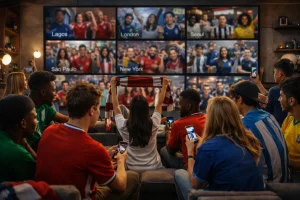
Geography no longer limits fandom. A teenager in Lagos can support Arsenal as passionately as someone in Islington. Clubs building global fan bases create content that transcends local culture whilst maintaining an authentic club identity.
This requires sophisticated digital infrastructure. Modern club websites need to handle millions of visitors during major announcements, work flawlessly on mobile devices across varying internet speeds, and deliver personalised experiences to fans in different time zones.
Working with a specialist London WordPress agency ensures clubs have digital platforms that scale globally whilst remaining fast and user-friendly. The technical foundation matters – a slow website or a crashed app during a kit launch loses engagement and revenue.
Gaming and Virtual Engagement
Football clubs exist in FIFA, Football Manager, and increasingly in metaverse spaces. These aren’t peripheral activities – for many young fans, this is how they first encounter clubs.
Smart clubs treat gaming as a serious engagement channel. They partner with FIFA esports players, create content about game updates, and recognise that someone who chooses your club in a video game might become a real supporter.
Virtual match-day experiences, fan tokens on blockchain, and digital collectables all extend engagement beyond the 90 minutes on the pitch. These innovations feel gimmicky to older fans but natural to digital natives.
Player Personalities and Authenticity
Social media has humanised footballers. Fans follow players as individuals, not just as club employees. Clubs that embrace this – giving players freedom to show personality whilst providing content support – benefit from the parasocial relationships fans build with athletes.
The traditional PR approach of controlling every message and avoiding controversy no longer works. Authenticity matters more than polish. A slightly rough but genuine player vlog outperforms a perfectly scripted corporate video.
Youth-Focused Partnerships

Clubs are partnering with brands and creators that young audiences actually care about. Not just traditional sponsors, but streetwear brands, gaming companies, and social media influencers.
These collaborations extend club reach into communities that wouldn’t engage with traditional football marketing. A limited-edition trainer collaboration reaches sneakerheads. A Twitch partnership reaches gamers. An artist collaboration reaches music fans.
Data-Driven Personalisation
Modern clubs use data to understand what different fan segments want. A 45-year-old season ticket holder receives different content than a 16-year-old international follower. Email campaigns, app notifications, and social content all get tailored to engagement patterns.
This personalisation creates more relevant experiences whilst maximising the value of every piece of content produced.
The same match can be packaged differently for different audiences – tactical analysis for serious fans, highlights for casual followers, player reactions for those interested in personalities.
The Long Game
Winning the next generation isn’t about immediate ticket sales – most young fans can’t afford match-day attendance anyway. It’s about building lifelong emotional connections that translate into merchandise purchases, streaming subscriptions, and eventually stadium attendance.
Clubs treating this as a short-term marketing campaign miss the point. It’s a fundamental shift in how football clubs operate – from sports organisations that do some marketing to media brands that happen to play football.
The clubs getting this right are building global audiences that will support them for decades. The ones still thinking in terms of local catchment areas and traditional advertising are wondering why their stadiums are ageing whilst rivals attract younger, more engaged fans.