

Table of Contents
Peter Lowy net worth in 2026 is estimated to be between $4 billion and $5 billion, placing him among the notable billionaires in the global retail real estate sector.
As the son of Westfield co founder Frank Lowy and a former senior executive within the company, Peter Lowy built much of his wealth through the expansion of the Westfield shopping centre empire.
His fortune is mainly derived from retail property investments, ownership stakes in major commercial developments, and financial gains from significant Westfield transactions.
Over the years, the Lowy family expanded their retail property portfolio across the United States, United Kingdom, Australia, and Europe, helping establish Westfield as one of the most recognised shopping centre brands in the world.
| Key Insight | Summary |
|---|---|
| Estimated Net Worth | Peter Lowy net worth in 2026 is estimated at $4 to $5 billion |
| Primary Wealth Source | Retail real estate and Westfield shopping centre investments |
| Family Business | The Lowy family built the global Westfield property empire |
| Global Expansion | Westfield expanded across the US, UK, Australia, and Europe |
| Major Wealth Growth | Large business deals involving Westfield assets increased family wealth |
| Business Role | Peter Lowy held leadership positions within Westfield Corporation |
| Industry Influence | Recognised figure in international retail property development |
What Is Peter Lowy Net Worth in 2026?
Peter Lowy net worth in 2026 is widely estimated to be between $4 billion and $5 billion. His wealth comes primarily from decades of involvement in global retail property development and large scale commercial real estate investments connected to the Lowy family business empire.
The Lowy family built a significant fortune through the creation and expansion of Westfield, one of the most recognised shopping centre brands in the world.
As a senior executive and major stakeholder within the organisation, Peter Lowy accumulated substantial wealth through equity ownership, property holdings, and long term commercial investments.
Retail property can generate immense wealth when large malls are located in prime metropolitan areas.
These centres attract luxury retailers, global brands, restaurants, entertainment venues, and millions of visitors each year. The rental income generated by such properties becomes a major financial asset.
Peter Lowy’s fortune is strongly tied to the value of high profile shopping centres developed by Westfield across North America, Europe, and Australia.
Real estate analysts often note that major urban shopping destinations tend to appreciate in value over time because of their location, infrastructure, and strong retail demand.
“Retail real estate in prime locations remains one of the most reliable long term investment assets in the property market.”
Peter Lowy’s financial position is influenced by several factors including property valuation trends, investment diversification, and global retail market conditions.
Estimated Peter Lowy Net Worth Overview
| Category | Details |
| Estimated Net Worth | $4 to $5 billion |
| Primary Industry | Retail real estate |
| Major Wealth Source | Westfield shopping centre empire |
| Business Role | Former executive within Westfield Corporation |
| Global Presence | United States, United Kingdom, Australia, Europe |
Wealth rankings often fluctuate due to changes in asset values. However, Peter Lowy consistently appears among the wealthiest individuals connected to the global property industry.
Commercial real estate investors often build wealth over decades through property appreciation, rental revenue, and strategic asset sales. The Lowy family’s approach to large scale retail property development created enormous long term financial value.
Several wealth drivers influence Peter Lowy’s overall financial position.
- Ownership stakes in major shopping centres
- Returns from large property transactions
- Investment holdings connected to the Lowy family
- Long term commercial real estate appreciation
These elements together contribute to the multi billion dollar valuation associated with Peter Lowy’s personal wealth.
Who Is Peter Lowy?
Peter Lowy is an Australian American billionaire businessman recognised for his leadership role within the global shopping centre company Westfield Corporation. He is the son of Frank Lowy, the co founder of Westfield and one of the most influential figures in the international retail property sector.
Growing up within a family that built one of the world’s most successful property businesses gave Peter Lowy unique exposure to commercial development and global investment strategies.
Early Life and Background
Peter Lowy was born in 1959 in Australia and spent his early years surrounded by the growing success of the family business. His father Frank Lowy had already begun developing the Westfield brand into a powerful retail property organisation.
From a young age, Peter Lowy observed how large shopping centres were designed, financed, and operated. The Lowy family focused on building large retail complexes that combined shopping, entertainment, and leisure experiences within a single destination.
This approach later became a defining feature of modern shopping malls around the world.
“Retail destinations must be more than just places to shop. They must become lifestyle centres where people gather and spend time.”
The Lowy family gradually expanded their business from Australia into international markets. This global expansion created opportunities for the next generation of the family to participate in leadership roles.
Education and Early Career
Peter Lowy eventually joined the Westfield organisation and began building experience in property management and development. Like many second generation business leaders, he spent years learning different aspects of the company before taking on senior responsibilities.
Working inside the organisation allowed him to understand several critical areas of the retail property business including:
- shopping centre development
- tenant relationships and retail leasing
- commercial property financing
- international property expansion
Through this hands on experience, Peter Lowy developed the skills required to manage complex commercial projects.
His leadership responsibilities increased as Westfield continued expanding globally. The company entered some of the most competitive retail markets in the world, including the United States and the United Kingdom.
Basic Background Information
| Detail | Information |
| Full Name | Peter Lowy |
| Birth Year | 1959 |
| Age | 67 years |
| Nationality | Australian American |
| Spouse | Janine Lowy |
| Industry | Retail real estate |
| Family Business | Lowy family property empire |
His role within the business helped strengthen the family’s influence across the global retail property industry.
How Did Peter Lowy Build His Billion Dollar Fortune?
Peter Lowy built his fortune primarily through his involvement with the Westfield Group. The company became one of the largest shopping centre operators in the world and developed dozens of high profile retail destinations across several continents.
Westfield specialised in building large premium malls located in major cities. These developments often included luxury brands, entertainment complexes, cinemas, restaurants, and public spaces designed to attract millions of visitors annually.
The business model was highly effective because it created long term rental income from retailers while also increasing the property value of the shopping centres.
“Prime retail real estate combines long term income with strong property appreciation.”
As the business expanded internationally, the value of Westfield’s assets increased dramatically. Major cities offered strong consumer spending and high demand for modern retail spaces.
Key Wealth Drivers Behind Peter Lowy’s Fortune
Several factors contributed to Peter Lowy’s ability to accumulate substantial wealth.
- Executive leadership within Westfield: Peter Lowy served in senior leadership roles where he was responsible for overseeing large scale property operations and strategic decisions.
- Ownership stakes in global shopping centres: The Lowy family maintained significant ownership positions in some of the world’s most valuable retail properties.
- International expansion strategy: Westfield expanded aggressively into markets such as the United States and the United Kingdom where retail demand was strong.
- Family investment structures: The Lowy family maintained diversified holdings that supported long term financial growth.
Key Wealth Drivers
| Wealth Driver | Description |
| Executive leadership | Senior roles within Westfield management |
| Retail property ownership | Stakes in high value shopping centres |
| International expansion | Entry into major global markets |
| Family investment funds | Diversified holdings beyond retail property |
These factors combined to create the financial foundation that supports Peter Lowy’s multi billion dollar net worth.
What Is the Westfield Empire and Why Is It So Valuable?
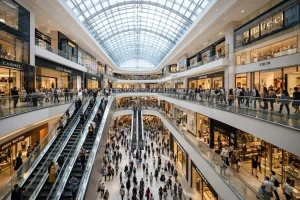
The Westfield empire represents decades of property development and global retail expansion created by the Lowy family. The company became one of the most recognised brands in the international shopping centre industry.
Westfield’s strategy focused on building very large retail complexes in densely populated metropolitan areas. These centres often became major commercial landmarks within their cities.
The company prioritised locations with strong population growth, high consumer spending, and limited competition. This strategy ensured that many Westfield properties remained highly profitable.
“Location remains the most critical factor in commercial real estate success.”
Westfield shopping centres were designed as lifestyle destinations rather than traditional malls. Visitors could shop, dine, watch films, and participate in social events all within the same environment.
This approach helped increase visitor numbers and tenant demand.
Major Countries Where Westfield Expanded
Westfield’s international expansion created a global retail brand that attracted investors and retailers worldwide.
- United States: The company developed and acquired numerous large malls in major American cities, making the US market one of its largest revenue sources.
- United Kingdom: Westfield developed some of Europe’s most prominent retail centres, particularly in London where major shopping destinations attract millions of visitors each year.
- Australia: The company’s original market remained an important part of the business, with several flagship shopping centres across the country.
- Europe: Westfield gradually expanded into other European markets through acquisitions and property development projects.
Westfield Global Expansion
| Region | Key Markets | Importance |
| North America | United States | Largest retail market |
| Europe | United Kingdom and EU markets | Premium urban retail |
| Australia | Major metropolitan cities | Original company base |
| International | Various partnerships | Brand expansion |
The scale of these developments made Westfield one of the most valuable retail property portfolios in the world.
How Did the Sale of Westfield Increase the Lowy Family Wealth?
A major milestone in the Lowy family financial history occurred when significant portions of the Westfield business were sold in major commercial transactions. These deals unlocked enormous financial value created through decades of property development.
Large investment firms and property groups were interested in acquiring Westfield assets because they represented premium retail real estate located in some of the world’s most valuable cities.
These shopping centres generated consistent income from global retailers and luxury brands. Investors often consider such properties stable long term assets.
“Premium commercial real estate attracts strong institutional investment due to predictable income streams.”
The sale of Westfield assets generated billions of dollars in transaction value. As key stakeholders in the business, members of the Lowy family benefited significantly from these deals.
Several factors increased the value of Westfield properties.
- strategic city centre locations
- high consumer foot traffic
- luxury retail tenants
- long term lease agreements
Large commercial property transactions can dramatically increase the wealth of owners when assets have appreciated over many years. The Lowy family’s decades of investment in retail development ultimately resulted in massive financial returns.
What Businesses and Investments Contribute to Peter Lowy’s Net Worth?
Although the Westfield brand represents the core of Peter Lowy’s fortune, his financial portfolio is supported by several additional investment activities. Wealthy property investors often diversify their holdings across multiple industries to protect long term financial growth.
Real estate remains the primary area of investment for the Lowy family. However, their business interests extend into private investment funds and strategic partnerships.
These investments help maintain and grow the family’s wealth beyond the original Westfield developments.
Investment Portfolio Categories
| Investment Type | Description |
| Retail real estate | Ownership of shopping centres and commercial property |
| Private equity | Investments in private companies and business ventures |
| Property development | Large scale urban development projects |
| Financial investments | Diversified asset portfolios |
Retail property continues to generate income through rental agreements with major global retailers. These long term leases provide consistent revenue streams that support investor returns.
Private investment activities also allow wealthy families to participate in emerging industries and new business opportunities.
“Successful investors diversify their assets across industries and geographic regions.”
Property development remains another major wealth generator. Large commercial projects can increase land value significantly once completed and leased to tenants.
What Is Known About Peter Lowy’s Personal Life?
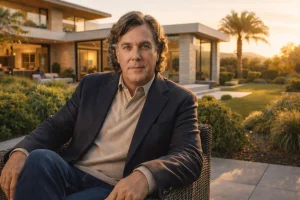
Despite his status as a billionaire businessman, Peter Lowy maintains a relatively private personal life compared with many high profile entrepreneurs. Public information about his lifestyle and family activities is limited.
He is married to Janine Lowy, and the couple has maintained a strong connection to both Australia and the United States due to their business interests.
Members of wealthy business families often divide their time between multiple countries where their investments and corporate operations are located.
The Lowy family has long been associated with philanthropic and community initiatives. Wealthy property investors frequently support charitable organisations related to education, culture, and social development.
“Successful entrepreneurs often believe that wealth should also contribute to broader social impact.”
Philanthropy has become an important aspect of many billionaire families’ public legacy. Contributions to universities, community programs, and cultural institutions help support long term social development.
While Peter Lowy is primarily recognised for his role in the retail property industry, his family’s broader influence extends into philanthropy, international investment, and economic development.
The combination of business success, strategic property development, and global investment activity has positioned the Lowy family among the most influential figures in the international commercial real estate sector.
Conclusion
Peter Lowy net worth in 2026 is estimated to be between $4 billion and $5 billion, reflecting decades of success in global retail real estate.
His wealth largely comes from the Westfield shopping-centre empire created by his father, Frank Lowy, and expanded internationally through strategic development and investments.
Through executive leadership, ownership stakes in major retail properties, and participation in large property transactions, Peter Lowy built a significant fortune tied to one of the world’s most recognised shopping centre brands.
While the exact value of his wealth may fluctuate with market conditions and investment performance, Peter Lowy remains a key figure in the international property industry and part of the influential Lowy family business legacy.
Frequently Asked Questions
What is Peter Lowy’s net worth in 2026?
Peter Lowy net worth in 2026 is estimated to be between $4 billion and $5 billion, primarily from retail real estate investments and the Westfield business.
How did Peter Lowy make his fortune?
He built his wealth through leadership roles in the Westfield Group, ownership of major shopping centres, and investments connected to the Lowy family property empire.
Is Peter Lowy related to Frank Lowy?
Yes. Peter Lowy is the son of Frank Lowy, the billionaire co-founder of the Westfield shopping centre company.
What company made Peter Lowy a billionaire?
The Westfield Group, a global retail property company that developed and operated large shopping centres around the world, played the biggest role in his wealth.
Does Peter Lowy still own Westfield shopping centres?
While parts of the Westfield business were sold in major deals, the Lowy family continues to maintain investments in property and other business ventures.
Where does Peter Lowy live?
Peter Lowy has connections to both Australia and the United States due to his business activities and family background.
What industry made Peter Lowy wealthy?
The retail real estate industry, particularly shopping centre development and management, is the main source of Peter Lowy’s wealth.