

Table of Contents
Reliable refrigeration systems are vital for businesses that rely on temperature-sensitive products.
Disruptions in these systems can lead to significant operational and financial losses. Ensuring system reliability is crucial for maintaining product quality and customer satisfaction.
Refrigeration systems are essential components in various industries, particularly in food and pharmaceuticals.
Their reliability directly impacts the quality and safety of products, influencing customer trust and business reputation.
With sectors like these heavily dependent on consistent temperature control, even minor disruptions can have far-reaching consequences.
Companies providing refrigeration solutions play a pivotal role in maintaining these standards, ensuring seamless business operations. J & M Refrigeration is one such company that offers comprehensive services to support these critical needs.
The Importance of Refrigeration in Preventing Spoilage
Dependable refrigeration systems are crucial for preventing product spoilage and maintaining high-quality standards.
In sectors such as food and pharmaceuticals, the integrity of temperature-sensitive goods is paramount.
Any lapse in refrigeration can result in spoiled products, leading to substantial financial losses and compromised customer trust.
By maintaining precise temperature control, businesses can ensure that their products remain safe and effective.
Failures in refrigeration systems can disrupt entire supply chains, affecting inventory levels and delivery schedules. When systems malfunction, it often leads to delays and increased operational costs.
Moreover, customer satisfaction is directly impacted when products do not meet expected quality standards.
Investing in reliable refrigeration solutions is not just about preserving products; it’s about safeguarding business continuity and reputation.
Strategies for Maintaining System Reliability
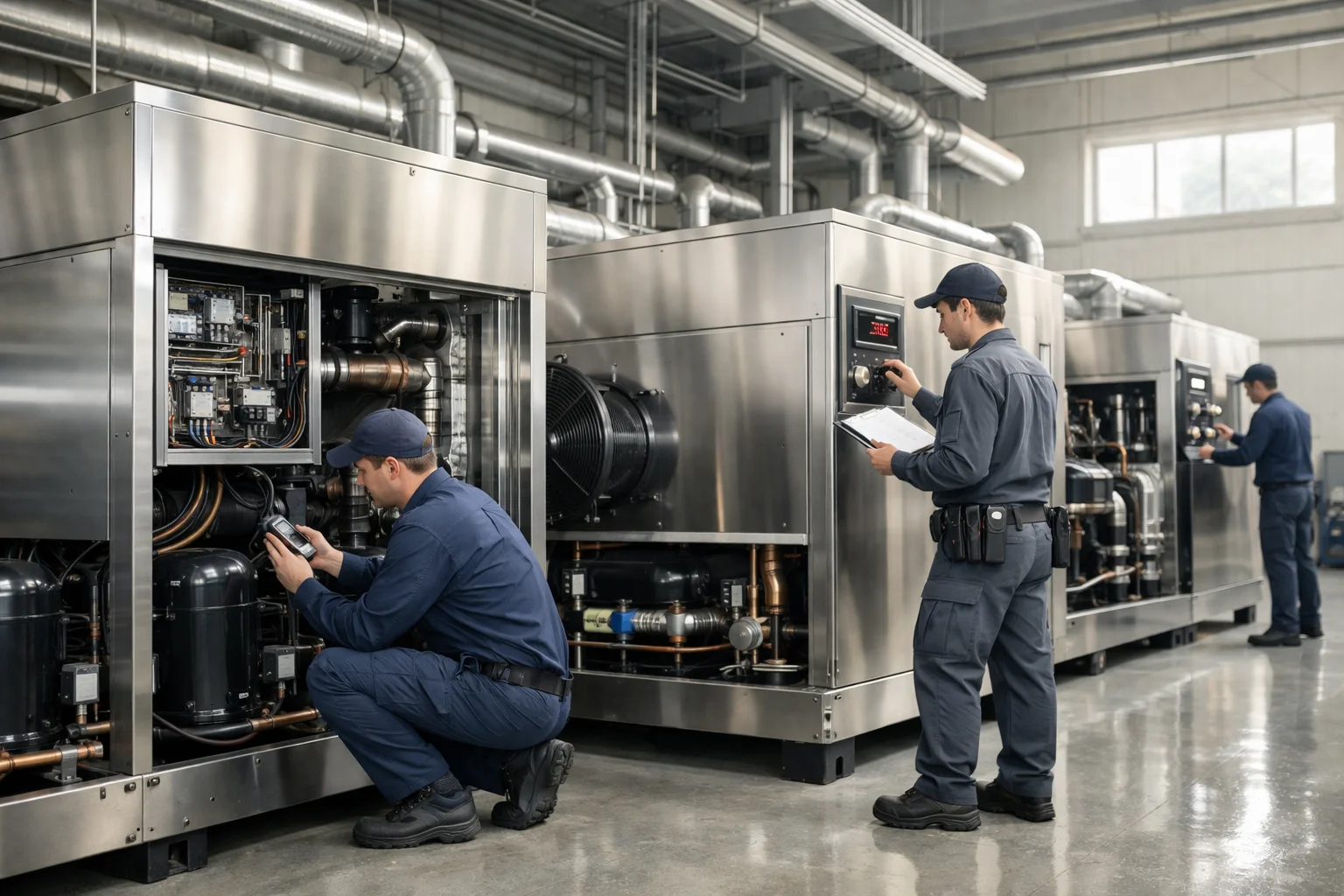
Regular maintenance is key to ensuring refrigeration system reliability. Scheduled inspections help identify potential issues before they escalate into major problems.
By proactively addressing these concerns, businesses can avoid unexpected breakdowns that could disrupt operations.
Monitoring systems continuously also allows for real-time adjustments to maintain optimal performance.
Having a responsive emergency service plan is another critical strategy. In the event of a system failure, quick access to expert technicians can minimise downtime and prevent product loss.
Establishing partnerships with reliable service providers ensures that support is available when needed most.
These strategies collectively enhance system dependability, supporting uninterrupted business operations.
Technological Advancements in Refrigeration Systems
Technological innovations have significantly enhanced the reliability and efficiency of refrigeration systems.
Modern smart systems equipped with IoT capabilities offer predictive maintenance features that can identify potential failures before they occur.
These advancements allow for timely interventions, reducing the risk of unexpected breakdowns.
Additionally, energy-efficient designs have emerged, offering both environmental benefits and cost savings.
By integrating advanced technologies, businesses can optimise their refrigeration systems for better performance while reducing operational expenses.
Embracing these innovations not only strengthens system reliability but also supports sustainable business practices.
Automated Data Logging and Regulatory Compliance
Beyond predictive maintenance, modern digital management platforms simplify quality control and regulatory reporting:
- Audit-Ready Compliance: Digital sensors continuously record storage temperatures, eliminating manual paper logs and generating tamper-proof reports required for HACCP (Hazard Analysis Critical Control Point) and food/pharma safety audits.
- F-Gas & Leak Detection Tracking: Advanced systems integrate automated leak detection and refrigerant monitoring, helping facilities comply with environmental regulations and F-Gas containment mandates.
- Instant Out-of-Spec Alerts: Automated telemetry systems send immediate SMS or mobile push notifications to on-call technicians if temperatures drift beyond pre-set thresholds, preventing inventory loss during off-hours.
Benefits of Investing in Dependable Refrigeration Solutions
Investing in dependable refrigeration solutions ensures business stability by safeguarding against product loss and maintaining customer satisfaction.
Reliable systems reduce the risk of spoilage and ensure continuous operation, which is essential for sectors that rely heavily on temperature-sensitive goods.
By evaluating current systems, businesses can identify opportunities for upgrades or necessary maintenance.
As companies assess their refrigeration needs, considering long-term benefits becomes crucial. Upgraded systems offer improved efficiency and reduced downtime, contributing to overall business resilience.
Encouraging businesses to prioritise these investments helps maintain high standards of operation and enhances competitive advantage in the market.