

Table of Contents
Tourism and hospitality are industries built on emotion. Travelers are not simply booking flights, reserving hotel rooms, or planning vacations. They are chasing experiences, memories, atmosphere, relaxation, adventure, connection, and escape.
That emotional layer is exactly why visuals play such an enormous role in tourism marketing. Before travelers ever step foot inside a resort, restaurant, boutique hotel, tour bus, cabin, or destination city, they experience it visually first.
A single image can influence whether someone imagines themselves sipping coffee on a balcony overlooking the ocean, wandering through lantern-lit streets at night, or relaxing beside a quiet mountain lake at sunrise.
That is why quality stock photos have become one of the most powerful tools for tourism and hospitality brands.
The right imagery can instantly create aspiration, excitement, trust, warmth, luxury, or curiosity. Strong travel photography transforms marketing from informational into immersive.
For tourism and hospitality businesses competing in crowded digital spaces, choosing the right visual direction is often just as important as the copy itself.
Why Travel Photography Matters So Much in Hospitality Marketing?
Tourism and hospitality marketing depends heavily on emotional imagination.
Potential guests are constantly asking themselves questions like:
- What would it feel like to stay there?
- Would this experience feel relaxing?
- Does this destination feel exciting?
- Would I remember this trip?
- Does this match the kind of lifestyle I want?
Photography helps answer those questions instantly.
Unlike many industries, tourism marketing sells experiences that people have not yet had. Visual storytelling becomes essential because customers are purchasing anticipation as much as the actual service.
A thoughtfully selected image can communicate:
- Atmosphere
- Comfort
- Adventure
- Luxury
- Culture
- Peacefulness
- Energy
- Authenticity
That emotional communication is what makes strong travel photography so valuable commercially.
Showcase Experiences Instead of Just Locations
One of the most effective strategies for tourism and hospitality brands is focusing on experiences rather than simply showcasing destinations.
A photo of a hotel room alone may feel static. A traveler enjoying coffee beside a balcony view at sunrise creates emotional context.
A beach becomes more engaging when paired with footprints in the sand, surfboards nearby, or friends gathered around a fire at dusk. The goal is to help viewers imagine themselves inside the experience.
Some powerful experience-focused travel stock photography ideas include:
- Couples walking through old city streets
- Travelers watching sunsets from rooftops
- Guests relaxing beside infinity pools
- Families exploring local markets
- Campfires beneath mountain skies
- Scenic train rides
- Outdoor dining under string lights
- Quiet spa moments
- Airport arrival scenes
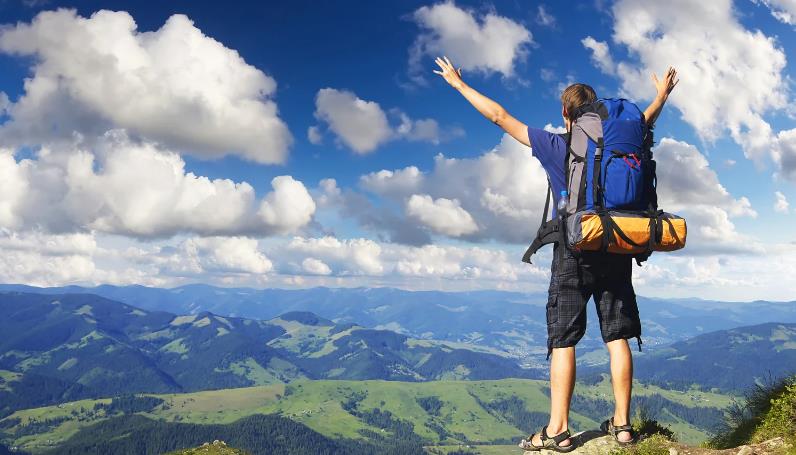
- Adventure excursions like hiking or kayaking
These types of images feel immersive instead of promotional.
Use Lifestyle Photography to Create Emotional Connection
Hospitality brands perform especially well when they combine travel imagery with lifestyle storytelling. Lifestyle-oriented travel photography helps destinations feel emotionally relatable.
Instead of simply showing architecture or scenery, it shows how people interact with the environment. This approach creates warmth and authenticity.
For example:
- A boutique hotel may use images of guests reading in cosy lounge spaces
- A beach resort may focus on barefoot walks at sunrise
- A luxury lodge may feature candlelit dinners overlooking nature
- A city hotel may showcase rooftop cocktails and nightlife energy
Lifestyle photography turns destinations into emotional narratives.
Highlight Local Culture and Authenticity
Modern travelers increasingly value authentic experiences over generic tourism. Hospitality brands that embrace local culture visually often create stronger emotional engagement and trust.
Travel stock photography that highlights local character can help destinations feel unique and memorable.
Examples include:
- Street food markets
- Local architecture
- Artisan shops
- Traditional festivals
- Neighborhood cafés
- Cultural landmarks
- Local transportation
- Natural regional scenery
Authenticity creates personality.
Instead of relying entirely on polished tourist clichés, tourism brands can use more atmospheric and human-centered imagery to make experiences feel real and immersive.
Showcase Seasonal Atmosphere
Seasonal travel photography is especially valuable for tourism and hospitality marketing because travel decisions are often tied closely to time of year. Different seasons create different emotional expectations.
Summer Travel Photography Ideas
- Coastal roads
- Tropical beaches
- Rooftop dining
- Poolside relaxation
- Hiking adventures
- Open-air festivals
- Sunset sailing
These visuals create energy, warmth, and escapism.
Autumn Travel Photography Ideas
- Mountain cabins
- Scenic foliage
- Cozy cafés
- Forest trails
- Countryside escapes
- Rainy city streets
These images evoke comfort and reflection.
Winter Travel Photography Ideas
- Snow-covered resorts
- Fireplace lounges
- Holiday markets
- Ski destinations
- Warm hotel interiors
- Winter city lights
Winter imagery creates atmosphere and coziness.
Spring Travel Photography Ideas
- Blooming landscapes
- Outdoor dining
- Fresh greenery
- Scenic gardens
- Nature retreats
Spring visuals often symbolize renewal and optimism. Seasonal photography helps campaigns feel timely while keeping visual storytelling fresh throughout the year.
Use Aerial Photography for Scale and Drama
Drone and aerial travel photography have become extremely popular because they provide cinematic scale and perspective.
Aerial visuals can make destinations feel expansive, luxurious, and visually unforgettable.
Some strong commercial uses include:
- Coastal resorts
- Mountain lodges
- Tropical islands
- Scenic highways
- Historic cities
- Desert landscapes
- Vineyard properties
- National parks
Aerial imagery often works especially well in homepage hero sections, advertisements, and social media campaigns because it creates instant visual impact.
Focus on Atmosphere and Lighting
Lighting dramatically influences how audiences emotionally respond to travel photography. Different lighting styles create completely different moods.
Golden Hour Photography
Warm sunrise and sunset lighting creates softness, luxury, romance, and emotional richness.
Blue Hour and Night Photography
Evening city lights, glowing restaurants, and illuminated streets create sophistication and energy.
Overcast and Moody Lighting
Foggy forests, rainy streets, and cloudy coastlines can create intimacy, calmness, and cinematic atmosphere. The strongest travel stock photos often prioritize mood over technical perfection.
Choose Images With Space for Marketing Design
Tourism and hospitality brands frequently use travel imagery across websites, social media ads, brochures, email campaigns, and printed materials. Images need to remain flexible for design purposes.
The best commercial travel photography often includes:
- Negative space
- Clean horizons
- Open skies
- Minimal clutter
- Balanced composition
These elements allow room for:
- Headlines
- Promotional text
- Logos
- Calls to action
- Graphic overlays
Beautiful images become much more commercially useful when they work well within actual marketing layouts.
Create Visual Consistency Across Campaigns
One of the biggest mistakes hospitality brands make is mixing drastically different photography styles together.
A luxury resort website can quickly feel disorganized if one image is bright and tropical while the next feels dark and moody without intentional strategy. Consistency helps create stronger brand identity.
Visual consistency can include:
- Similar color palettes
- Matching lighting styles
- Consistent editing tones
- Repeating emotional themes
- Cohesive composition
A calm wellness retreat may consistently use earthy neutrals, soft sunlight, and minimalist nature imagery.
A nightlife-focused hotel may lean toward deep shadows, neon reflections, and energetic urban scenes. Consistency builds recognition and professionalism.
Avoid Generic Tourist Clichés
Some travel imagery feels overused because audiences have seen it repeatedly across countless campaigns.
Generic tourist clichés often include:
- Perfectly posed group photos
- Obvious landmark selfies
- Overprocessed beach scenes
- Artificial smiles
- Extremely staged activities
Modern audiences tend to respond more strongly to photography that feels natural and emotionally grounded.
Images with subtle storytelling often outperform exaggerated tourism imagery.
Sometimes a quiet alleyway café scene creates more emotional engagement than a perfectly framed landmark shot.
Use Human Moments Strategically
Travel photography with people often creates stronger emotional connection than empty scenery alone. However, the best hospitality photography usually avoids overly staged poses.
Strong human-centered travel stock photography ideas include:
- Travelers checking into boutique hotels
- Couples sharing meals outdoors
- Guests reading beside windows
- Friends exploring local neighborhoods
- Families walking through scenic locations
- Solo travelers watching sunsets
- Hands holding maps or coffee cups
- Silhouettes against landscapes
These details help audiences imagine themselves in the experience naturally.
Optimize Travel Photography for Social Media
Tourism and hospitality brands rely heavily on social platforms, so travel imagery should work effectively in mobile-first environments.
Strong social media travel photography often includes:
- Clear focal points
- Bold lighting contrast
- Vertical-friendly composition
- Atmospheric detail
- Emotional storytelling
Images should feel compelling even at smaller sizes while still maintaining cinematic quality.
Final Thoughts
Travel stock photography plays an enormous role in how tourism and hospitality brands shape emotional perception online.
The right visuals can transform ordinary marketing into immersive storytelling that makes audiences imagine experiences before they ever book them.
The best travel stock photos do more than showcase destinations. They communicate atmosphere, emotion, lifestyle, and possibility.
They help hotels feel welcoming, resorts feel luxurious, restaurants feel vibrant, and destinations feel unforgettable.
For tourism and hospitality brands competing in visually crowded digital spaces, thoughtful travel photography is not simply decoration. It is one of the most powerful storytelling tools available.
Sometimes all it takes is a lantern glowing beside a rainy street, a sunrise over the ocean, or a quiet mountain cabin wrapped in fog to make someone stop scrolling and start imagining their next journey.