
Table of Contents
Last checked: 9 July 2026
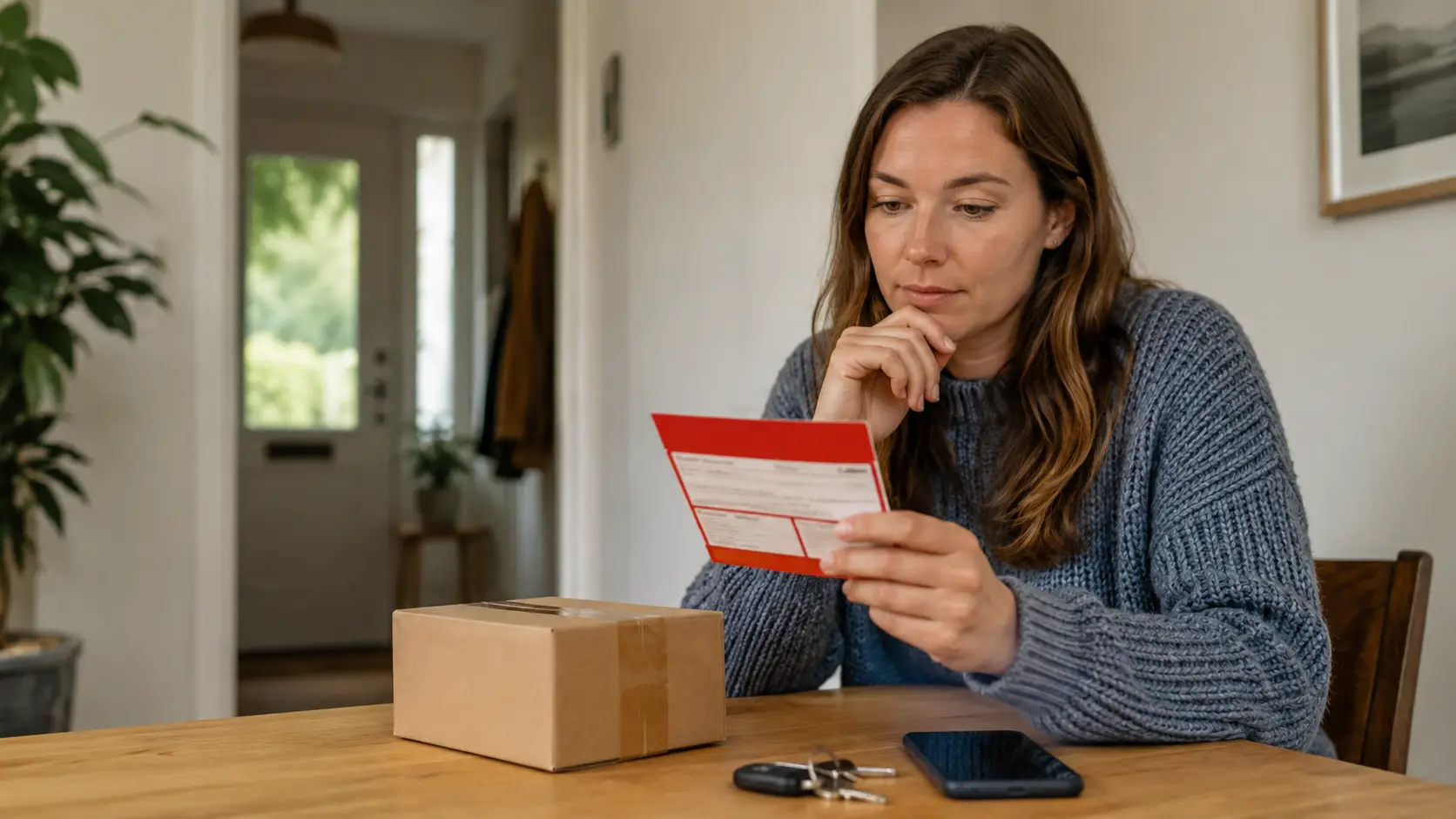
The royal mail p739 code usually relates to the red “Something for you” card left by Royal Mail after a missed delivery.
It is not normally a parcel tracking number, payment code, discount code or proof that a delivery message is genuine. For most UK customers and businesses, it means Royal Mail tried to deliver an item but could not complete the delivery.
The correct next step is to read the card, check whether there is a separate tracking reference, and either arrange redelivery or collect the item with suitable identification.
The main risk is not the P739 card itself, but fake delivery texts and emails that copy Royal Mail language to ask for personal or payment details.
Key takeaways:
| Point | What it means |
| P739 meaning | Usually linked to Royal Mail’s “Something for you” missed delivery card |
| Not a tracking code | The tracking reference is usually separate from P739 |
| Main action | Arrange redelivery or collect the item |
| ID needed | Collection normally requires the card and proof of identity |
| Holding period | Many missed items are held for a limited period before return |
| Scam risk | Fake delivery texts may ask for payment or bank details |
These basics help readers understand the royal mail p739 code before taking action.
What Does the Royal Mail P739 Code Mean?
The royal mail p739 code is commonly connected with Royal Mail’s red missed delivery card, often called a “Something for you” card. It is used when Royal Mail has tried to deliver an item but could not hand it over, post it through the letterbox, or leave it safely.
This can happen with parcels, signed-for items, age-restricted deliveries, identity-check items or letters that need personal handling.
The card is not usually the item’s tracking number. It is more like a delivery notice telling the recipient what happened and what to do next.
In simple terms, P739 means the recipient should check the missed delivery card, look for any item reference, and follow the official redelivery or collection process.
Why Has Royal Mail Left a P739 Card?
Royal Mail may leave a P739 card when delivery cannot be completed at the first attempt. This does not always mean there is a problem with the parcel. It usually means the item needs action from the recipient.
Common delivery reasons:
- Nobody was available to receive the item.
- The item was too large for the letterbox.
- A signature was required.
- The item needed age or identity verification.
- The parcel could not be left in a safe place.
- A neighbour delivery was not possible.
- The item had to be held for collection.
The card should be checked carefully because the available options can depend on the delivery service, item type and local collection arrangement.
A business should act quickly because the item may be linked to customer returns, stock, legal documents or supplier paperwork.
Is P739 the Same as a Royal Mail Tracking Number?
P739 is not usually the same as a Royal Mail tracking number. The tracking number is normally a separate item reference, often printed as a barcode or alphanumeric code. That tracking number is what customers should use to check the parcel’s delivery status.
If a card includes a separate tracking reference, the safest way to check the item is through the official Royal Mail tracking page. This helps confirm whether the parcel is awaiting redelivery, held at a delivery office, sent to a Post Office branch, or returned to sender.
P739 card vs tracking number:
| Detail | What it means |
| P739 | Refers to the missed delivery card or form type |
| Tracking number | Identifies the parcel or letter itself |
| Barcode | May appear on the item or card depending on service |
| Delivery status | Checked through Royal Mail tracking |
| Collection instruction | Usually shown on the missed delivery card |
The key mistake to avoid is typing “P739” as though it is the parcel’s tracking code.
How Can You Arrange Redelivery After a P739 Card?
After receiving a P739 “Something for You” card, many recipients can arrange a redelivery through Royal Mail’s official service.
Depending on the type of item and delivery service used, you may be able to choose redelivery to your original address, another local address, a nearby Post Office branch, a Royal Mail Shop or a Parcel Locker.
Using the official Royal Mail redelivery service is the safest option, as it helps you avoid unofficial websites, fraudulent tracking pages and suspicious payment requests.
What Redelivery Options Are Available?
Royal Mail offers several redelivery and collection options, although availability depends on the parcel and delivery service.
You may be able to choose:
- Redelivery to the original delivery address.
- Redelivery to another local address.
- Delivery to a local Post Office branch.
- Collection from a Customer Service Point.
- Collection from a Royal Mail Shop or Parcel Locker, where available.
- Direct collection if the item is needed urgently.
Before selecting an option, check the details on your P739 card to confirm which services are available for your item.
Should You Collect the Item Instead of Waiting for Redelivery?
If your parcel is urgent, collecting it yourself may be quicker than waiting for another delivery attempt. Royal Mail may require advance notice before preparing an item for collection or redelivery, so it is worth checking the available dates and times first.
For business deliveries, it is also good practice to record who requested the redelivery or collection and when the item is expected to arrive.
Are There Any Redelivery Restrictions?
Yes. Not every item qualifies for every redelivery or collection option. Certain services have additional security or identification requirements.
Restrictions may apply to:
- Special Delivery items.
- International signed-for parcels.
- Age-verification deliveries.
- ID-verification items.
- Other services requiring a signature or identity check.
For this reason, always check both your P739 card and the official Royal Mail guidance before arranging redelivery or collection. This helps ensure you choose the correct option for your parcel and avoid unnecessary delays.
Can You Collect a Parcel with a P739 Card?
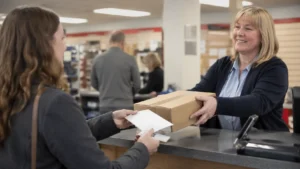
Yes, many items can be collected with a P739 “Something for you” card, but suitable identification is normally required. The collection point may be a Royal Mail delivery office, Post Office branch, Royal Mail Shop or Parcel Locker, depending on where the item is being held.
The Post Office says customers collecting a missed item should bring proof of identity, proof of address where needed, and the P739 card. Readers can check the official Post Office collection guidance before visiting a branch.
Collection checklist:
| What to take | Why it matters |
| P739 card | Shows the missed delivery details |
| Tracking ID | Helps identify the item |
| Photo ID | Confirms who is collecting |
| Proof of address | May be needed if the name or ID does not match clearly |
| Original documents | Copies may not be accepted |
| Business authority | Useful when collecting for a company |
A wasted collection trip is common when the card or correct ID is missing, so checking before travelling is sensible.
If Collecting for Someone Else
If a person is collecting on behalf of someone else, they may need the P739 card and identification in the name of the person the item is addressed to. If that is not possible, extra proof of the collector’s identity and address may be needed.
If Collecting for a Business
Businesses should make sure reception staff, office managers and warehouse teams know who is authorised to collect mail. This reduces delays with signed-for documents, customer returns or supplier items.
If the Item is Age-restricted
Age-restricted items can have stricter handover rules. The named recipient or a suitable adult may need to prove age before the item is released.
These collection rules protect mail security and help prevent the wrong person receiving an item.
What Is the Difference Between a P739 Card and a Fee to Pay Card?
A P739 card and a Fee to Pay card serve different purposes, although both relate to postal deliveries. A P739 card usually means Royal Mail attempted to deliver an item but was unable to do so.
A Fee to Pay card, on the other hand, indicates that postage is unpaid or underpaid, or that customs charges may need to be paid before delivery.
P739 Card Vs Fee to Pay Card:
| Feature | P739 Card | Fee to Pay Card |
| Main purpose | Missed delivery notification | Payment required before delivery |
| Common reason | No one was available to receive the item | Unpaid/underpaid postage or customs charges |
| Payment needed? | Usually No | Yes, if charges apply |
| Next step | Arrange redelivery or collect the item | Verify the charge and pay through official Royal Mail channels |
| Scam risk | Fake missed delivery messages | Fake payment requests pretending to be Royal Mail |
Understanding the difference can help customers and businesses avoid unnecessary confusion. If a card or message asks for payment, always verify it through the official Royal Mail website rather than clicking links in unexpected texts or emails.
Is the Royal Mail P739 Code Linked to Delivery Scams?

The P739 card itself is part of normal missed delivery handling, but fake delivery messages are a serious risk. Scammers often use Royal Mail-style wording because people are used to receiving parcel updates.
Royal Mail’s official warning says:
“We will never send an email asking for credit card numbers or other personal or confidential information.”
Customers can read the official Royal Mail scam guidance if they receive a suspicious text, email or call.
Scam signs to watch:
- A text asks for a small redelivery payment.
- The message creates pressure to act immediately.
- The link does not clearly belong to Royal Mail.
- The message asks for card details or passwords.
- The wording looks unusual, rushed or badly written.
- There is no valid tracking reference.
- An email includes unexpected attachments.
A physical P739 card should still be checked, but payment links in unsolicited messages should not be trusted without direct verification.
How Long Will Royal Mail Hold an Item After a P739 Card?
Royal Mail and Post Office guidance commonly refers to an 18-calendar-day holding period for many missed items before they are returned to the sender.
Some services, collection routes or locker arrangements may have different rules, so the card should always be checked.
For customers, the best approach is to act within a few days rather than waiting until the holding period is almost over. For businesses, a missed delivery card should be treated as an operational task, not casual post.
If the item is linked to a customer order, contract, return, payment document, passport, bank card or government letter, collection may be safer than delayed redelivery.
A P739 card should never be left on a reception desk or noticeboard without someone taking ownership.
What Should UK Businesses Do When They Receive a P739 Card?

UK businesses should treat a Royal Mail P739 card as a delivery control issue. A missed item could affect customer service, supply chains, legal deadlines, accounts, HR, returns or banking.
Business handling steps:
- Check the card on the same working day.
- Match the card against expected deliveries.
- Assign one person to arrange redelivery or collection.
- Keep a simple missed delivery log.
- Store the card safely until the item is received.
- Avoid clicking delivery links in staff inboxes or texts.
- Train reception and warehouse teams on scam warnings.
A simple process can prevent avoidable delays, especially in hybrid offices, serviced offices and shared buildings.
For business blogs and news readers, the key message is practical: P739 is not just a postal detail. It can affect operations if important mail is ignored.
Conclusion
The Royal Mail P739 code is usually linked to a missed delivery card, not a tracking number or payment code.
Recipients should check the card, use official Royal Mail services, arrange redelivery or collect the item with suitable ID. Businesses should handle these cards quickly to avoid delays with documents, returns or stock.
Always verify payment requests carefully because fake delivery messages can misuse Royal Mail wording to target customers and staff online alike safely.
FAQs About Royal Mail P739 Code
Is P739 the same as a tracking number?
No. P739 usually refers to the missed delivery card, while the tracking number is normally a separate barcode or item reference.
Can a P739 card mean a signed-for item is waiting?
Yes. A P739 card may be left when an item needs a signature or cannot be delivered safely.
Do you always need ID to collect a missed Royal Mail item?
In most collection situations, ID is needed. The card and original identification should be taken when collecting the item.
Can a business employee collect a Royal Mail item?
Yes, but they may need the P739 card and suitable identification linked to the recipient, address or business circumstances.
Should you pay a redelivery fee through a text message?
No one should pay through an unexpected text link without checking the official Royal Mail website first. Fake delivery payment messages are a common scam risk.
What if the P739 card has no clear tracking number?
The recipient should use the card details, check Royal Mail’s help pages, or contact the correct delivery office or collection point.
What happens if nobody acts on the P739 card?
The item may eventually be returned to the sender, which can delay personal mail, business documents, customer returns or supplier deliveries.
Editorial Note
This article is based on official Royal Mail and Post Office guidance available at the time of checking.
It is intended to help UK readers understand the royal mail p739 code, missed delivery cards, collection steps and scam risks.
Readers should always check Royal Mail or Post Office directly for the latest delivery rules, ID requirements and redelivery options.