

Table of Contents
Online entertainment has become a huge part of daily life. People stream movies, play games, listen to music, and join virtual communities, all from their phones, computers, or smart TVs.
But while this digital world offers fun and connection, it also comes with risks. Hackers are always looking for weak spots to steal personal information, money, or accounts. As the online entertainment industry grows, so does the need for better cybersecurity.
Let’s take a look at the top trends that are helping companies and users stay safe while enjoying their favourite online content.
What Are the Top Cybersecurity Trends in Online Entertainment to Watch Out?
Stronger Login Protection with Multi-Factor Authentication
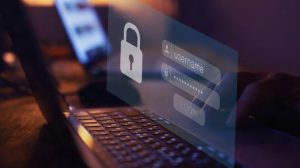
One of the biggest problems in online entertainment is stolen accounts. Hackers often use leaked passwords to break in. To fight this, more companies are now using multi-factor authentication (MFA).
This means users need to provide two or more pieces of information to log in, like a password and a text code sent to their phone. Streaming services, online games, and content platforms now offer MFA as a basic security step.
It’s easy to set up, and it adds an important extra layer of protection to keep personal accounts safe from unwanted access.
Online Payments Are Becoming Safer
Many entertainment services ask for payment details, whether it’s buying game upgrades, subscribing to a streaming platform, or renting digital content.
To protect customers, companies are now using secure payment gateways and encryption. This scrambles the information, making it harder for hackers to steal. Some services also use tokenisation, which hides the real card number during a purchase.
These changes mean users can spend money online with more confidence. As people move away from cash and buy more entertainment online, keeping financial data safe is more important than ever.
Protecting Online Gaming and Gambling Spaces

Online games and gambling platforms are big targets for cyberattacks. Hackers can steal account items, cheat systems, or even take money.
For example, websites that offer online slots may seem like simple fun, but they handle real payments and private information. That’s why trusted platforms use strong security tools like encrypted transactions, identity checks, and licensed software.
These platforms are also required to meet strict rules to protect users. By learning how gaming and gambling sites handle security, other entertainment services can better defend against similar threats.
AI and Machine Learning for Threat Detection
With millions of users on entertainment platforms every day, it’s hard for humans alone to catch all threats. This is why artificial intelligence (AI) and machine learning are important nowadays.
These tools can quickly scan for unusual behaviour, like a login from another country or a sudden change in account use. AI can spot problems before a human would notice, and alert the company or lock the account.
Big streaming services and gaming networks are already using this kind of technology to catch hackers, reduce fake accounts, and stop harmful activity before it spreads.
Educating Users on Safer Online Habits

No matter how advanced cybersecurity tools become, people are often the weakest link. Clicking on fake links, using weak passwords, or sharing account info with others can all lead to trouble. That’s why more companies are focusing on user education.
Entertainment platforms now send security tips, run awareness campaigns, or offer in-app reminders to help users stay alert.
When users understand the risks, and how to avoid them, they’re less likely to fall for scams. In the end, a well-informed user is just as important as a secure system.