

Table of Contents
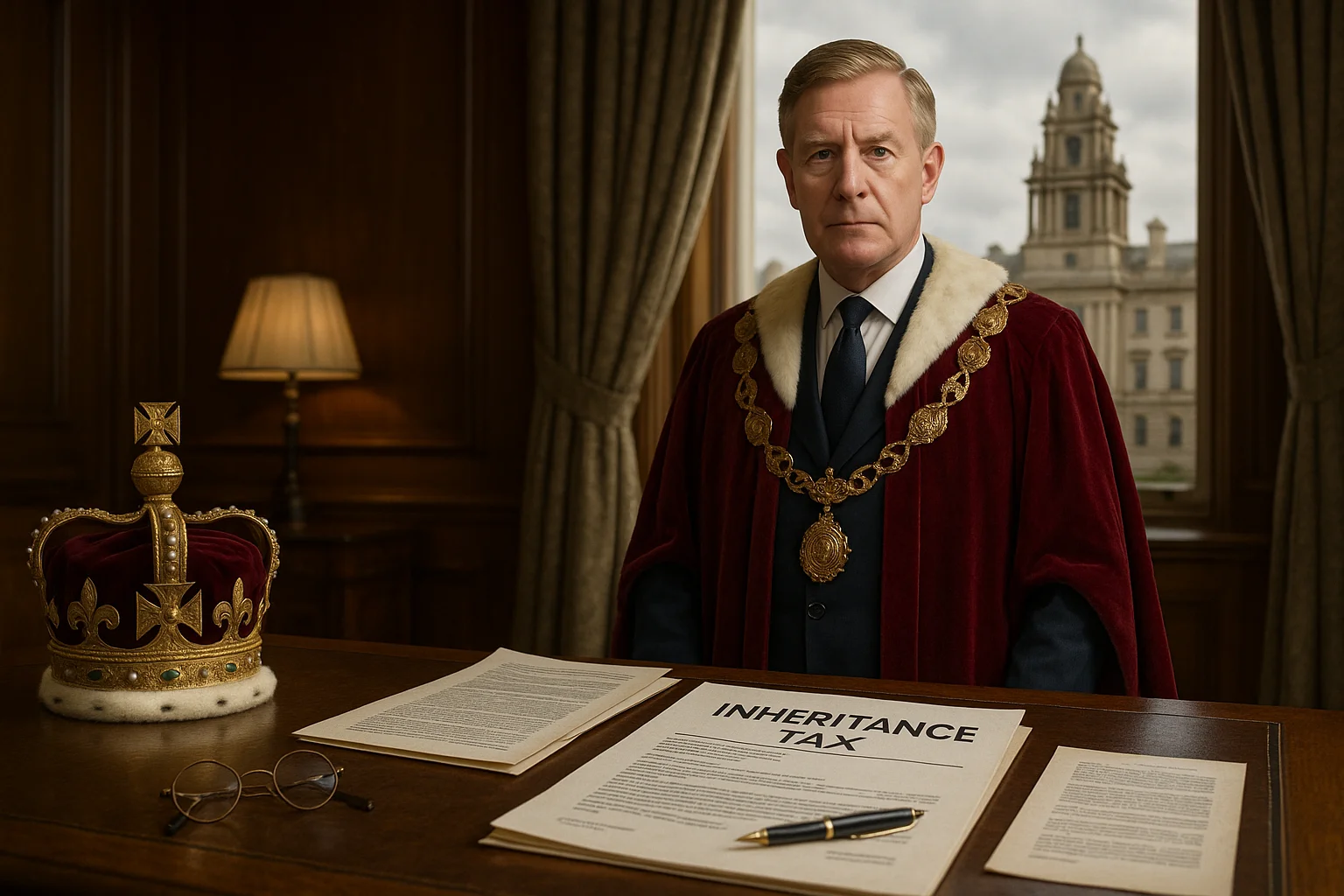
Inheritance tax (IHT) is one of the most contentious components of the UK tax system, particularly when it comes to its application or exemption within the Royal Family.
While the average UK citizen is subject to strict thresholds and rates, the monarchy enjoys unique financial privileges, many of which are deeply rooted in historical precedent.
This article explores whether the Royal Family pays inheritance tax, which assets are exempt, and whether growing public scrutiny could lead to reforms.
What Is Inheritance Tax and Who Normally Pays It in the UK?

Inheritance tax in the UK is a charge applied to the estate of a person who has passed away. The tax is calculated on the total value of the estate, including money, possessions, and property.
If the value of the estate exceeds a certain threshold, the excess amount is subject to taxation.
Inheritance tax rules for the general public
Most UK citizens are required to pay inheritance tax if their estate exceeds the tax-free threshold.
This threshold is known as the nil-rate band. The government has set this at £325,000. Anything above this amount is taxed at a standard rate of 40%.
However, there are exemptions and reliefs available, particularly if the estate is passed to a spouse, civil partner, or qualifying charity.
If an individual leaves their main residence to their children or grandchildren, they may also qualify for an additional tax-free allowance called the residence nil-rate band, currently set at £175,000.
This brings the total threshold for many families to £500,000 before any tax is charged.
Tax Thresholds, Rates, and Exemptions
| Inheritance Tax Element | Details |
| Nil-Rate Band | £325,000 |
| Residence Nil-Rate Band | £175,000 (if passing on a main residence) |
| Tax Rate Above Threshold | 40% |
| Exempt Beneficiaries | Spouses, civil partners, registered charities |
| Potential Reliefs | Business relief, agricultural relief |
Despite these allowances, thousands of estates each year still fall under the scope of inheritance tax, making it a significant source of revenue for the Treasury.
Why Are the Monarch and Heir Exempt from Inheritance Tax?
While the general population must plan carefully to minimise or manage inheritance tax liabilities, the British monarch and the immediate heir are not subject to the same requirements.
This is due to a unique exemption based on royal protocol and legislative interpretation.
The Sovereign-to-sovereign Transfer Rule
Assets passed from one monarch to another are not subject to inheritance tax. This exemption was designed to preserve the continuity of the monarchy and prevent the fragmentation of national heritage assets, such as royal residences and ceremonial property.
These royal holdings are considered part of the sovereign’s official capacity rather than their private estate.
Therefore, they are transferred tax-free to the successor upon death or abdication of the reigning monarch.
The 1993 Memorandum of Understanding
A key document that formalised this arrangement is the 1993 Memorandum of Understanding on Royal Taxation.
Under this agreement, Queen Elizabeth II voluntarily began paying income tax and capital gains tax on her private income.
However, the agreement clarified that sovereign-to-sovereign transfers would remain exempt from inheritance tax.
This framework remains in effect today and was upheld following Queen Elizabeth II’s passing, allowing King Charles III to inherit significant assets without incurring inheritance tax.
Which Royal Assets Are Exempt from Inheritance Tax?

The inheritance tax exemption does not apply to all royal assets indiscriminately. Only those held by the monarch in their official role are covered. This includes historic properties, ceremonial items, and certain estate holdings.
The following asset types are exempt:
- Residences used for state purposes, such as Buckingham Palace and Windsor Castle
- Ceremonial and cultural items, including the Crown Jewels
- Artworks and antiques held as part of the Royal Collection
- Royal archives and state documents
- Sovereign-held estates that serve national interests
These assets are deemed part of the monarchy’s public function rather than private wealth. As a result, they are excluded from inheritance tax assessments when passed to the next sovereign.
Do Other Members of the Royal Family Pay Inheritance Tax?
While the monarch and their direct heir enjoy special status, other members of the Royal Family do not benefit from the same exemptions.
In most cases, they are treated as ordinary citizens in terms of inheritance tax liabilities.
Inheritance tax applies to any personal property, cash, investments, or land left by a royal family member to their descendants or other beneficiaries.
There are limited details available due to the privacy surrounding royal wills, but it is widely believed that:
- Members of the extended royal family pay inheritance tax on personal estates
- Assets not transferred to the reigning monarch are subject to standard UK tax laws
- Royal wills remain sealed, shielding full tax transparency from public view
A legal precedent exists that allows senior royals’ wills to remain confidential. This level of secrecy has sparked criticism, especially given the public interest in transparency surrounding national figures.
Do the King and Prince of Wales Pay Other Taxes?
The King and the Prince of Wales are not legally obliged to pay most taxes, but they have chosen to do so voluntarily under existing agreements.
This voluntary taxation primarily covers income tax on the revenues from the duchies they control.
Overview of Duchy of Cornwall and Duchy of Lancaster
The Duchy of Lancaster provides income to the reigning monarch, while the Duchy of Cornwall funds the activities of the heir apparent.
These duchies are structured as private landed estates and operate significant commercial ventures, including property portfolios and agricultural operations.
| Duchy | Annual Revenue (2023) | Held By | Estimated Total Value |
| Duchy of Lancaster | £27.4 million | King Charles III | £653 million |
| Duchy of Cornwall | £23.6 million | Prince William | £1.2 billion |
The estates have complex ownership structures but are ultimately controlled by the monarch and heir as private individuals, although they are used to support official duties.
Voluntary Tax Contributions
Both the King and Prince of Wales currently pay income tax on their duchy revenues. This is not mandated by law but has become a public expectation.
The move toward voluntary compliance with standard taxation emerged in the 1990s and continues today, albeit without binding legal obligations.
Are the Royal Duchies Exempt from Corporation and Capital Gains Tax?
Despite operating as large-scale commercial enterprises, the Duchy of Lancaster and Duchy of Cornwall are exempt from corporation tax and capital gains tax.
These exemptions apply because the duchies are classified as Crown bodies under UK law, a status that shields them from standard tax rules applicable to businesses and private individuals.
This has raised significant public concern for several reasons:
- The duchies own and operate commercial properties, retail spaces, and investment portfolios
- Similar private entities in the UK must pay corporation tax on profits
- No capital gains tax is paid on the increase in value of assets when sold
These financial privileges effectively give the Royal Family’s private businesses a commercial advantage over competitors, prompting accusations of unfairness in the business and taxation landscape.
A parliamentary committee in 2013 recommended a formal inquiry into whether the tax status of the duchies distorted competition and market fairness.
What Is the Financial Impact of the Royal Tax Exemptions?

The monetary implications of royal tax exemptions are significant, both in terms of lost revenue and the optics of fairness within the national tax system.
Each year, the Royal Family’s estates generate tens of millions in profit, yet large portions remain untaxed due to their special status.
Loss of Potential Government Revenue
Estimates from campaigners and policy researchers suggest that the combination of inheritance tax exemptions, corporation tax immunity, and capital gains tax avoidance results in a multi-million-pound gap in public funds.
This gap is further widened by the fact that the Royal Family also receives taxpayer-funded grants.
The Sovereign Grant, which funds official royal duties, amounted to tens of millions annually. Meanwhile, duchy profits remain largely untaxed, further reducing contributions to the public purse.
Royal L;and Income from Public Services
Investigative reports have uncovered how public institutions are financially tied to royal estates. For example:
- The NHS pays the Duchy of Lancaster £11.4 million over 15 years to lease a warehouse
- The Ministry of Justice is paying £37 million to the Duchy of Cornwall for use of Dartmoor Prison
- The armed forces also pay to train and operate on duchy lands
These deals, while legally structured, raise ethical questions about the use of public money to support tax-exempt royal assets.
Conclusion
The British monarchy’s tax exemptions, particularly around inheritance and corporate profits, reflect centuries-old arrangements that are increasingly difficult to justify in modern society.
While the monarch and the Prince of Wales do pay certain taxes voluntarily, they remain legally exempt from critical obligations like inheritance tax, capital gains tax, and corporation tax.
Given the financial struggles facing public services and the nation’s broader tax burden, pressure is mounting for reform.
If the Royal Family is to remain relevant and respected in a modern constitutional democracy, greater transparency and fairer contributions may be unavoidable.
Frequently Asked Questions (FAQ)
What is the sovereign-to-sovereign rule in UK inheritance tax?
The sovereign-to-sovereign rule exempts assets transferred between monarchs from inheritance tax. This rule applies only to assets held in a sovereign capacity and not to personal possessions.
Are the Duchy of Cornwall and Duchy of Lancaster private or public?
They are legally private estates but operate with public functions. Despite their private classification, they are exempt from corporation and capital gains taxes.
Do royal wills remain private?
Yes, royal wills are sealed and not subject to public probate laws. This means the financial details of royal estates after death are not publicly disclosed.
Can Parliament change the tax status of the monarchy?
Yes, through legislation, Parliament has the authority to amend tax laws, including those that apply to the monarchy and royal estates.
Is King Charles legally required to pay income tax?
No, but King Charles voluntarily pays income tax on private income and duchy earnings, following a practice started by Queen Elizabeth II in 1993.
What is the Crown Estate and does it pay tax?
The Crown Estate is a public estate, and its profits are sent directly to the Treasury. It is separate from the duchies and operates under different financial rules.
Could changing the royal tax exemptions benefit public services?
Potentially, yes. Reforming royal tax privileges could generate tens of millions in annual revenue, which could be redirected to the NHS, education, and infrastructure.