

Table of Contents
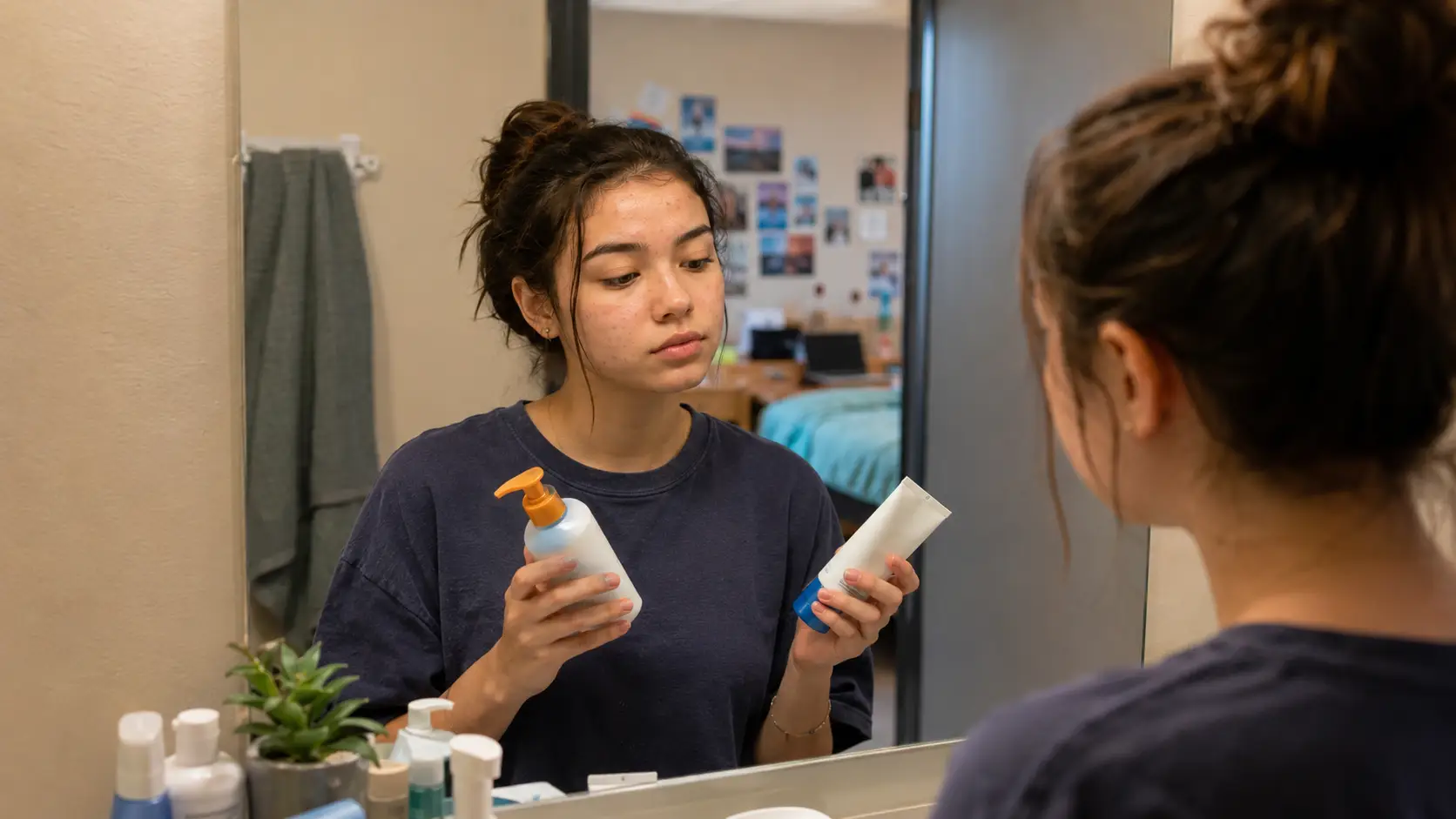
As a college student, finding skincare that works for acne-prone skin can feel overwhelming. Between lectures, deadlines, social events, and a limited budget, choosing between La Roche-Posay and Neutrogena is a common challenge.
Both brands offer a range of products designed to target breakouts, excess oil, and blemishes, but they differ in formulation, pricing, and suitability for different skin types.
Understanding these differences can help you decide which option best fits your skincare needs and budget.
Key takeaways:
- La Roche-Posay is often preferred for sensitive and irritation-prone skin.
- Neutrogena is usually more affordable and widely available.
- Both brands offer products for oily skin, blackheads, and breakouts.
- Product selection matters more than brand loyalty.
- Consistency is more important than having an expensive routine.
Are La Roche-Posay Products Better for Acne-Prone Skin Than Neutrogena Overall?

When comparing these two brands, the answer depends largely on skin type, acne severity, and budget.
La Roche-Posay has built a reputation around dermatologist-tested formulas designed to manage blemishes without excessively drying the skin.
Neutrogena focuses on proven acne-fighting ingredients that are easy to access and often cost less.
For many students, the decision comes down to whether skin sensitivity is a concern. If breakouts are accompanied by redness, dryness, or irritation, La Roche-Posay may offer a more balanced experience.
If affordability and oil control are the priorities, Neutrogena can deliver excellent results.
Comparison overview:
| Factor | La Roche-Posay | Neutrogena |
| Sensitive Skin | Excellent | Good |
| Acne Support | Excellent | Excellent |
| Budget Friendliness | Moderate | Excellent |
| Oil Control | Very Good | Excellent |
| Skin Barrier Support | Excellent | Good |
| Availability | Good | Excellent |
While both brands can support acne-prone skin, the ideal choice depends on your individual skincare needs rather than the brand name itself.
What Is the Main Difference Between La Roche-Posay and Neutrogena for Acne-Prone Skin?
When comparing La Roche-Posay and Neutrogena for acne-prone skin, the biggest difference is not necessarily how well they treat breakouts, but how they approach acne care.
Both brands offer products designed to reduce spots, excess oil, and clogged pores, yet their formulation philosophies and target users differ significantly.
Understanding these differences can help college students choose products that match their skin type, skincare goals, and budget.
Brand Formulation Philosophy
The biggest distinction lies in formulation strategy. La Roche-Posay often combines acne-fighting ingredients with soothing components such as niacinamide and thermal spring water. The goal is to reduce blemishes while maintaining skin comfort.
Neutrogena tends to prioritise active acne treatment, commonly using ingredients like salicylic acid and benzoyl peroxide to target excess oil and clogged pores.
This approach can sometimes produce quicker visible improvements but may also increase dryness in sensitive skin types.
Student Budget and Accessibility
For UK students, Neutrogena products are widely available in Boots, Superdrug, supermarkets, and online retailers. La Roche-Posay products can also be found in many pharmacies and beauty retailers, but they generally come at a higher price point.
A skincare lecturer specialising in cosmetic science explains:
“The most effective acne routine is one a student can afford and maintain consistently for several months, rather than an expensive routine abandoned after a few weeks.”
This highlights an important reality: consistency often outweighs product prestige.
Which Brand Is Better for Sensitive Acne-Prone Skin?
Sensitive acne-prone skin requires a careful balance. Harsh cleansers and excessive exfoliation can worsen irritation, making breakouts more difficult to manage.
La Roche-Posay is frequently recommended for individuals whose skin reacts easily to fragrance, strong acids, or aggressive acne treatments. Its Effaclar range is designed to address blemishes while minimising discomfort.
Signs that La Roche-Posay may suit you better include:
- Skin that feels tight or sore after cleansing
- Frequent redness alongside breakouts
- Post-acne marks that linger after spots heal
- A history of irritation from acne products
A UK community pharmacist notes:
“Students often focus solely on removing spots, but protecting the skin barrier is equally important because irritated skin can become even more breakout-prone.”
For students with reactive skin, a gentler approach can often lead to better long-term outcomes.
Is Neutrogena A Better Choice for Students on A Tight Budget?
For budget-conscious students, Neutrogena has a clear advantage. Building a routine with cleanser, moisturiser, sunscreen, and treatment products is generally less expensive than purchasing comparable products from La Roche-Posay.
The brand’s Clear & Defend range is particularly popular because it offers straightforward acne care without requiring a complicated skincare routine.
Rather than spending heavily on multiple products, students often benefit from a simple routine focused on cleansing, moisturising, and targeted treatment. This keeps costs manageable while reducing the risk of irritation from overusing active ingredients.
Although La Roche-Posay may provide additional skin comfort benefits, Neutrogena remains a practical choice for mild to moderate acne concerns.
Which Brand Works Better for Oily Skin, Blackheads and Clogged Pores?

For oily skin, blackheads, and clogged pores, both La Roche-Posay and Neutrogena can be effective.
The key factor is not the brand itself but choosing products with ingredients that target excess oil, congestion, and breakouts without causing irritation.
Understanding the ingredients used in each product can help you build a more effective skincare routine.
Salicylic Acid, Benzoyl Peroxide and Niacinamide
Certain ingredients are particularly beneficial for acne-prone and oily skin.
Key Acne-Fighting Ingredients:
- Salicylic Acid: Helps clear pores and reduce blackheads and congestion.
- Benzoyl Peroxide: Targets acne-causing bacteria and inflammation.
- Niacinamide: Supports the skin barrier and helps reduce redness.
Neutrogena is often known for its salicylic acid-based acne products, making it a popular choice for oily skin. La Roche-Posay also offers effective acne treatments while placing greater emphasis on skin comfort and barrier support.
Skin Barrier Protection
Many students unintentionally damage their skin barrier by using too many acne treatments at the same time. Over-cleansing and excessive exfoliation can lead to irritation and sensitivity.
Common Signs of Skin Barrier Damage:
- Increased redness
- Flaking or peeling skin
- Tightness after cleansing
- Stinging when applying moisturiser
- Increased sensitivity
“Many patients focus on removing oil at all costs, but excessively stripping the skin can worsen irritation and make acne management more challenging over time.” — Consultant Dermatologist
Maintaining a healthy skin barrier is just as important as treating acne and blackheads.
Product Choice Matters More Than Brand Name
No single brand works best for everyone. Some students may prefer stronger acne-focused products from Neutrogena, while others may benefit from the gentler formulations offered by La Roche-Posay.
When choosing a product, consider:
- Your skin type and sensitivity
- The type of acne you experience
- The active ingredients used
- How consistently you can follow the routine
The best results usually come from selecting suitable ingredients and maintaining a balanced skincare routine rather than focusing solely on the brand.
How Should I Build A Simple College Skincare Routine with Either Brand?
College life requires practicality. Most students do not have time for extensive ten-step routines before morning lectures. A simple routine should focus on cleansing, moisturising, and protecting the skin.
Routine example:
| Morning Routine | Evening Routine |
| Gentle Cleanser | Gentle Cleanser |
| Lightweight Moisturiser | Treatment Product (if tolerated) |
| SPF 30+ Sunscreen | Moisturiser |
Students with oily skin may choose a salicylic acid cleanser, while those with sensitive skin may benefit from gentler cleansing options.
Real-world example:
A second-year university student shared their experience after switching from multiple acne products to a simpler routine:
“I kept buying stronger treatments because I thought my acne needed more products. Once I switched to a gentle cleanser, moisturiser, sunscreen, and one treatment product, my skin became less red and my breakouts gradually improved.”
This highlights a common lesson among students: simplicity often works better than constantly changing products.
When Should I Avoid Strong Acne Products and Ask A UK Pharmacist Or GP?

Not all acne can be managed through cosmetic skincare alone. If breakouts become painful, cystic, or leave permanent scarring, professional advice may be necessary.
Students should consider consulting a pharmacist or GP if acne:
- Causes painful under-the-skin spots
- Leaves visible scars
- Does not improve after several weeks of consistent skincare
- Affects confidence, wellbeing, or daily life
According to NHS guidance, treatments such as benzoyl peroxide and prescription medications may be appropriate for more persistent cases.
“When acne becomes inflammatory or begins causing scars, skincare products may no longer be sufficient on their own. Early professional intervention can prevent long-term skin damage.” – A dermatology specialist
Seeking help is often the most effective step when skincare alone is not producing results.
How Can I Decide Between La Roche-Posay and Neutrogena Without Wasting Money?
Many students make the mistake of purchasing an entire skincare range immediately. A more effective strategy is to introduce one or two products first and monitor how the skin responds.
Start with a cleanser and moisturiser, then gradually add treatment products if needed. This makes it easier to identify which products are helping and which may be causing irritation.
Patch testing is also important, especially for sensitive skin. Applying a product to a small area before full use can help reduce the risk of adverse reactions.
By taking a gradual approach, students can avoid unnecessary spending while building a routine tailored to their needs.
Which Brand Should I Choose Based on My Skin Type, Acne Concerns and Student Budget?

The right choice depends on your primary concern. Students with sensitive, redness-prone, or easily irritated skin will often find La Roche-Posay more comfortable. Those dealing with mild breakouts, oily skin, and tighter budgets may prefer Neutrogena.
If post-acne marks are a major concern, La Roche-Posay’s skin-barrier-focused formulations may offer additional benefits. However, students seeking affordable daily acne maintenance may find Neutrogena easier to sustain financially.
Rather than asking which brand is objectively better, it is more useful to ask which brand aligns best with your skin type and lifestyle.
Final Thoughts
La Roche-Posay may be the better choice for acne-prone skin that is also sensitive or easily irritated, thanks to its focus on skin barrier support. However, Neutrogena remains an effective and affordable option for many students.
Ultimately, the best skincare routine is one that suits your skin type, fits your budget, and can be followed consistently over time.
FAQs
Is La Roche-Posay worth the higher price for students?
It can be worth the extra cost for students with sensitive, irritated, or redness-prone skin. Its formulations often prioritise skin comfort alongside acne treatment.
Can I use La Roche-Posay and Neutrogena products together?
Yes. Many people successfully combine products from both brands, provided they avoid layering too many active ingredients in the same routine.
Which brand is less likely to dry out my skin?
La Roche-Posay is generally considered less drying because many products are formulated with sensitive skin and barrier support in mind.
Should I use moisturiser if I have oily acne-prone skin?
Yes. Skipping moisturiser can lead to dehydration and potentially increase oil production. A lightweight, non-comedogenic moisturiser is usually best.
How long should I try a product before switching?
Most acne products require several weeks of consistent use before meaningful results can be assessed. Switching too quickly can make it difficult to judge effectiveness.
Can acne skincare remove post-acne marks completely?
Some skincare products may help improve the appearance of post-acne marks, but complete removal is not always possible. Results depend on the type and severity of the marks.
What ingredients should I avoid if my skin gets irritated easily?
Be cautious with harsh scrubs, excessive exfoliating acids, strong fragrances, and combining multiple acne treatments simultaneously, as these can increase irritation.