

Table of Contents
Cryptocurrencies have transformed the way people perceive traditional finance, offering innovative solutions that transcend borders and institutions.
At the core of this digital revolution lie utility tokens an essential building block within the blockchain ecosystem.
Understanding the role and functionality of utility tokens has become increasingly crucial for cryptocurrency participants.
This is your guide to utility tokens, shedding light on their definition, distinguishing features, use cases, and significance within the landscape of digital assets and platforms like a UK crypto exchange.
What Are Utility Tokens?
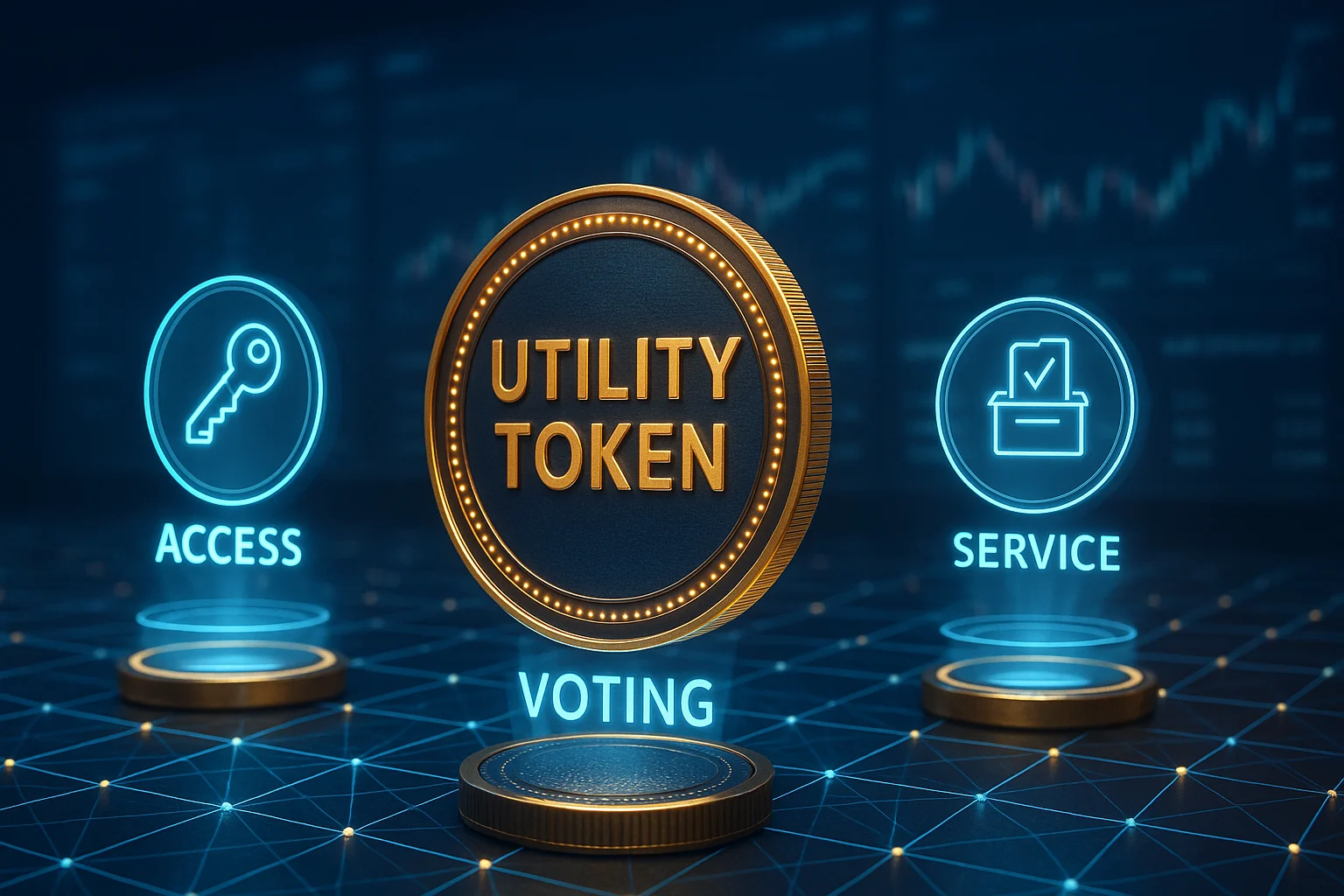
Utility tokens are digital assets that give owners access to specific functions, products, or services within a blockchain-based platform or ecosystem.
Unlike security tokens, which represent ownership in a company and are subject to regulations akin to traditional securities, utility tokens are primarily designed to offer users operational access or usage rights.
For instance, imagine holding a utility token that grants you exclusive access to premium features on a decentralized application or enables you to participate in a voting mechanism within a blockchain network.
These tokens serve as keys that unlock unique functionalities and privileges within a given system.
The surge in popularity of utility tokens can be attributed to their versatility and utility across diverse digital platforms, from decentralized finance (DeFi) projects to gaming applications and social networks.
As the digital landscape evolves, utility tokens play a pivotal role in enhancing user experiences and driving innovation within various ecosystems.
Utility Tokens vs. Security Tokens: How Do They Compare?
It is crucial to distinguish between utility tokens and security tokens, as they cater to distinct investor objectives and regulatory requirements.
While security tokens represent ownership of assets, revenue shares, or debt, and often fall under regulatory frameworks, utility tokens primarily focus on utility and usage within specific platforms.
Security tokens are subject to strict regulations, including investor protections and disclosure requirements, to ensure compliance with existing financial laws.
In contrast, utility tokens, operating as access keys to platform functionalities, are typically more agile in their utilization and are not inherently bound by the same regulatory burdens as security tokens.
Understanding this differentiation is essential for investors and industry participants, as it shapes their investment strategies, risk assessments, and compliance with legal frameworks in the ever-evolving landscape of digital assets.
What Are Some Use Cases for Utility Tokens?
Utility tokens find diverse applications across a spectrum of industries, offering unique value propositions and functionality to users and creators alike.
These tokens empower individuals to access services, facilitate transactions, and engage with decentralized platforms in innovative ways.
For example, users can leverage utility tokens to pay for trading fees, unlock additional features, or participate in governance processes governing the exchange’s operations.
Similarly, within the gaming industry, utility tokens enable gamers to purchase in-game assets, participate in tournaments, or earn rewards through engaging with gaming platforms.
Utility tokens drive the growth and sustainability of digital ecosystems by fostering user engagement and incentivizing participation. They enrich user experiences and expand the possibilities within the decentralized digital economy.
How To Invest in Utility Tokens?
Investing in utility tokens presents both opportunities and risks for participants in the digital asset space.
Before considering investing in utility tokens, it’s crucial to conduct thorough research, understand the underlying project or platform, and assess the token’s utility and potential for long-term growth.
Potential rewards of investing in utility tokens include access to exclusive services or features within a platform and potential appreciation in token value based on platform adoption.
However, it is essential to acknowledge the volatility inherent in the cryptocurrency market, the lack of regulatory oversight, and the potential for scams or fraudulent projects.
Successful investment in utility tokens requires a balanced approach, considering factors such as market trends, project fundamentals, team expertise, community support, and tokenomics.
Diversification, risk management strategies, and staying informed about market developments play key roles in navigating the dynamic landscape of utility token investments.
Challenges and Future Outlook

Despite the promising potential of utility tokens, several challenges exist within the digital asset ecosystem.
Regulatory uncertainty, scalability issues, security vulnerabilities, and market manipulation pose significant hurdles to widespread adoption and evolving utility token usability.
Addressing these challenges demands collaboration between industry stakeholders, regulators, and technologists.
The goal is to establish clear guidelines, enhance security protocols, and promote transparency within the digital asset space.
As the technology matures and regulatory frameworks evolve, utility tokens are poised to play a pivotal role in reshaping how people interact with digital platforms and services.
The future outlook for utility tokens remains optimistic, with continued innovation driving improvements in token economics, user experiences, and ecosystem interoperability.
The Promising Future of Utility Tokens in the Digital Economy
Utility tokens represent a foundational element in the digital asset landscape, offering unique value propositions, access privileges, and engagement opportunities within blockchain ecosystems.
As utility tokens continue to evolve, it is crucial for investors, developers, and regulators to collaborate in building a robust and sustainable ecosystem.