

Table of Contents
For most of history, traditional banks have dominated the consumer lending landscape. These were small institutions at first, but they grew and went through several rounds of consolidation.
Banks were so large at one point that many pundits felt they might suffer from liquidity issues due to their immense size.
These conditions led to a massive shift in the loan market. Credit unions and private funds started the trend toward new types of finance programs, but they were soon joined by a variety of alternative platforms.
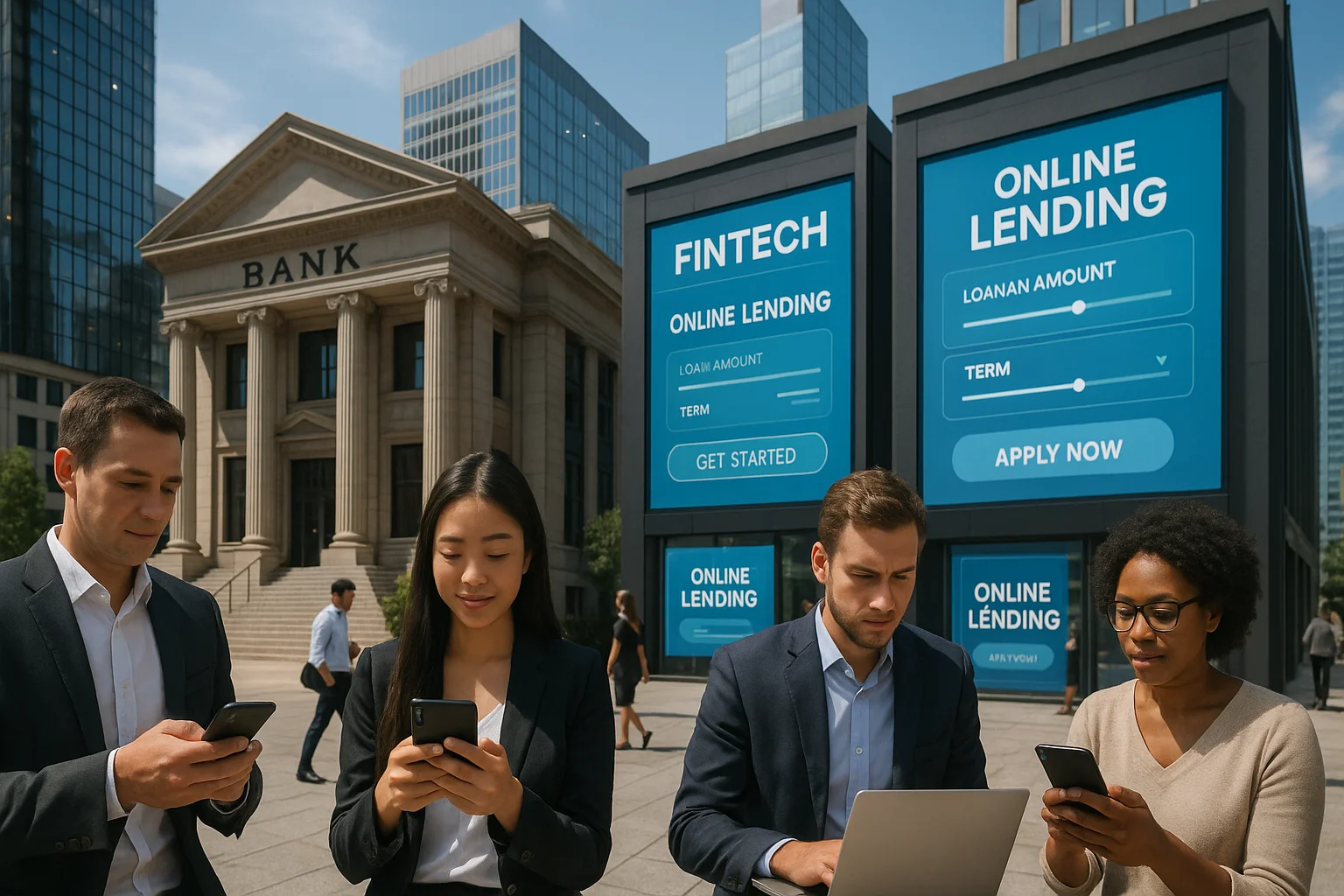
Financial technology (Fintech) companies have been at the forefront of a rapidly evolving industry that provides loans to customers who might not otherwise have access to the capital they need.
New innovations in the digital lending space are helping to further democratize access to financial resources.
Small business owners and entrepreneurs who are turned away by traditional lenders are finding that digital ones are far more inclusive.
Fintech companies are even helping to make the lending sector more resilient by diversifying capital sources.
What Makes Consumer Lending No Longer Just for Banks?
The Rise of Non-Bank Lenders

Several different types of organizations have sprung up during this seismic shift toward new lending opportunities.
Community-based lending organizations, like credit unions and local cooperatives, offer member-focused lending services that help to fill gaps that conventional lending services might miss.
Private credit services and institutional investors can offer capital directly to consumers via a marketplace exchange, thus helping to increase access to funds.
Embedded finance programs integrate at least some lending services into retail, travel and e-commerce sales organizations.
While entrepreneurs won’t normally rely on them to get seed capital for a new venture, they’re an excellent way for consumers to ask for a line of credit when making important purchases.
These resemble the traditional layaway and store credit services that were popular in the era of large department stores.
Fintech platforms offer a faster approval process for personal loans than almost any other type of organization.
Borrowers who need access to a line of credit but can’t wait for a traditional bank to approve them will often turn to fintech sources.
Some of the most innovative organizations in this space use artificial intelligence (AI) to further streamline the entire lending process.
In fact, some commentators feel that AI-based tools have quickly become one of the major factors pushing non-bank lenders forward.
Key Advantages That Drive Growth
Alternative data processing methods and financial AI tools are speeding up the underwriting process. It’s also becoming far more accessible than it was before.
Digital lending services can tailor all of their financial products to individual customers, which allows them to serve borrowers in niche markets.
Since these services have very little in the way of a physical presence, they don’t have to deal with anywhere near as much overhead as conventional banks do.
Managers will often pass the savings on to their consumers, thus reducing the overall cost of borrowing money.
Thin-file borrowers might not be able to get any kind of credit from major financial institutions. They can, however, turn to inclusive digital platforms that offer services to a wider array of potential customers.
Industry insiders feel that this is putting market pressure on banks, which are responding by modernizing their operations.
The Overall Impact on Traditional Banks
Increased competition often leads to a situation where established companies have to undergo substantial change.
Large organizations that provide conventional banking services are heavily investing in digital lending platforms, which has helped to illustrate just how effective this kind of technology is.
They’re also partnering with fintechs and smaller private lenders to increase their market share. Collaboration opportunities have proven beneficial for both legacy banks as well as newer digital platforms.
Perhaps most important for consumers is the fact that competition is driving down interest rates and approval times.
Customers can expect better service no matter what kind of institution they choose to work with. Lenders are doing their best to attract new business, so they’re reaching out to individuals they may not have worked with in the past.
Financial Risks and Challenges
As with all new business models, non-bank lenders have to face some regulatory issues. There’s quite a bit of uncertainty regarding how legislators see these organizations and whether they will eventually apply the same rules as those for traditional banks. At the same time, they’re faced with consumer protection and data privacy concerns.
Due to worries about data breaches, people have become wary of working with countless types of online services.
Lending platforms that offer alternative investments have invested in cybersecurity resources and clearly spelled out their privacy policies. This is helping to assuage these concerns and make borrowers feel good about working with them.
High-risk exposure is always a problem if credit markets tighten. There’s also the possibility that credit markets could fragment the same way that other online business sectors have. In spite of all these challenges, however, the future for digital lending services looks bright.
Turning Toward the Future
Companies that provide alternative investments are likely to partner with traditional lending institutions.
Consumers may see the rise of a hybrid model that includes private funds, fintechs and banks working together to co-lend money to borrowers.
Continued innovation in the embedded lending field will help integrate borrowing features into point-of-sales terminals, payroll software and even specialized subscription services. Additional regulatory oversight may even help to temper fears as the market matures and continues to grow.
An Expanding Ecosystem

Consumers are going to be the real winners, no matter which fintech platforms emerge as the strongest competitors in the space.
More choices, competitive lending terms and faster access to credit are all things that borrowers have to look forward to. As the lending ecosystem continues to expand, new opportunities as well as risks are going to come into play.
Those who innovate responsibly without taking unnecessary chances will shape the future of lending for years to come.
Regardless of what it looks like, though, one thing is for sure. Consumer lending is no longer the sole territory of traditional banks and legacy financial institutions.