


Data analytics is transforming logistics by enhancing efficiency and accuracy. Companies use these tools to streamline operations and predict trends with precision. In the logistics sector, data-driven strategies are becoming essential.
Data analytics is playing a significant role in transforming the logistics industry. By leveraging vast amounts of information, companies like John K Philips can optimise their operations, leading to improvements in efficiency and cost-effectiveness.
As businesses continue to adopt these technologies, they position themselves to better navigate the complexities of logistics management.
How Data Analytics Enhances Logistics Management?
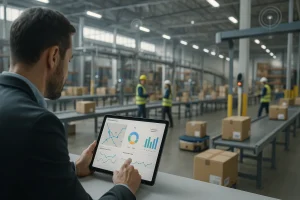
Incorporating data analytics into logistics allows you to make informed decisions that enhance efficiency across various operations.
The power of data enables precise route planning, which reduces fuel consumption and minimises delivery times.
This optimisation not only decreases operational costs but also contributes to sustainability efforts by reducing carbon footprints.
Additionally, data analytics plays a crucial role in inventory management. By predicting demand with greater accuracy, you can maintain optimal stock levels and reduce excess inventory.
This proactive approach ensures that customer demands are met without overstocking, thereby improving cash flow and resource allocation.
Real-time data monitoring provides unprecedented visibility into every stage of the supply chain, enabling logistics managers to identify bottlenecks and inefficiencies as they occur.
Through advanced analytics platforms, you can track key performance indicators such as delivery accuracy, warehouse productivity, and transportation costs in real-time dashboards.
This immediate access to actionable insights allows for rapid adjustments to operational strategies, ensuring that your logistics network remains agile and responsive to changing market conditions and customer expectations.
Technological Tools That Improve Operational Efficiency
Advancements in technology have introduced sophisticated tools that further refine logistics operations.
These innovations include machine learning algorithms and IoT devices that provide real-time tracking of shipments.
By using these technologies, you gain visibility into supply chain processes, allowing for swift responses to disruptions or delays.
The use of predictive analytics tools empowers you to foresee potential challenges before they arise.
For example, integrating weather forecasting models with logistics software can help plan around adverse conditions, ensuring timely deliveries. Such proactive measures highlight the importance of data-driven approaches in maintaining seamless operations.
Challenges in Implementing Data Analytics Solutions

While the benefits of data analytics are evident, integrating these solutions presents challenges.
One major hurdle is the initial investment required for technology adoption and training personnel to handle new systems effectively. You must weigh these costs against the long-term advantages of increased efficiency.
Moreover, ensuring data security and privacy is paramount when dealing with large volumes of information.
Robust cybersecurity measures are necessary to protect against sensitive data breaches or misuse. As you consider implementing data analytics into your logistics strategy, addressing these considerations is crucial for successful integration.